
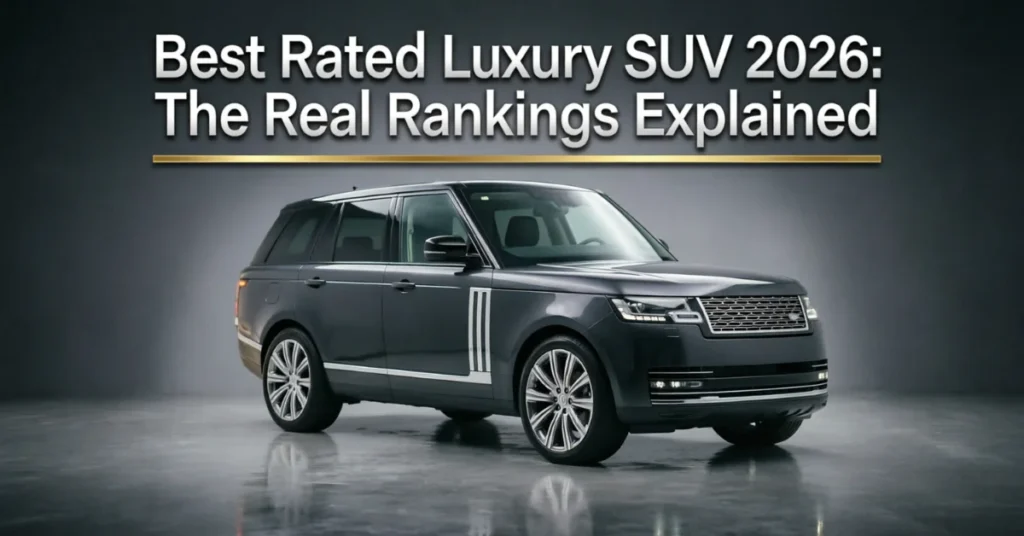
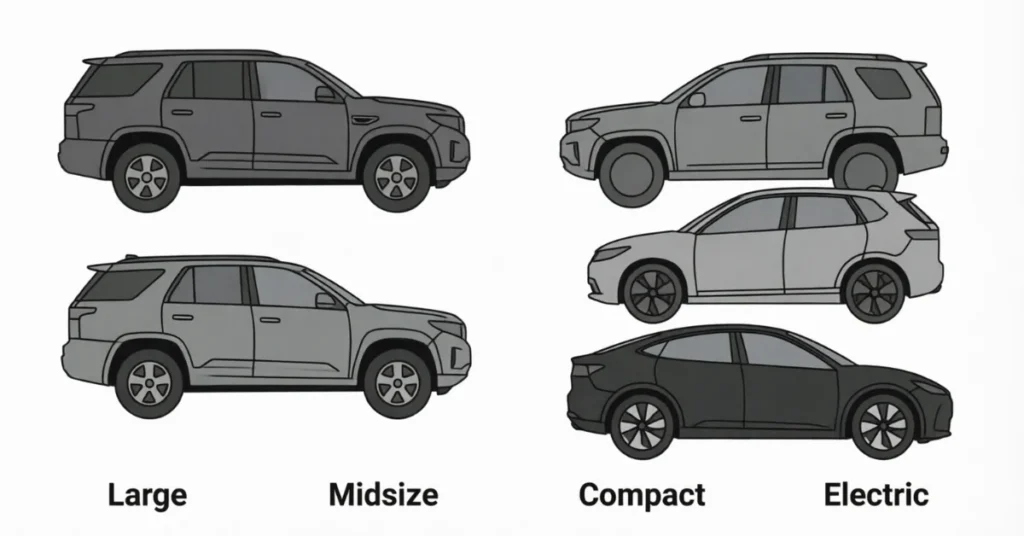
Shoppers hunting for the best rated luxury SUV in 2026 have more real choices than any year before this one. Test data from independent auto rankings now covers over a hundred trims across large, midsize, compact and electric segments, and the gap between “good” and “best” has never been so easy to spot on paper. This piece looks at which models actually earn top marks right now, why they earn them, and who each one fits.
What Makes a Best Rated Luxury SUV in 2026
A best rated luxury SUV isn’t just the priciest badge on the lot. Ranking teams score these vehicles on ride quality, cabin materials, safety tech, owner satisfaction and how the powertrain holds up over years of real driving, not just a single test loop.
The 2026 Land Rover Range Rover currently sits at the top of the large luxury class with a 9.0 out of 10 overall score from one major ranking group. It earns that spot with a quiet cabin, roomy seating and enough off-road ability that most owners will never test its limits.
On the smaller end, the Genesis GV70 holds the title of highest-rated small luxury SUV from another respected ranking outlet, and it also picked up a regional Luxury SUV of the Year award after two days of on-road and off-road testing against more than twenty rivals. That’s a rare double win for a brand that’s still young next to names like Audi or BMW.
Where the Top Scores Are Coming From
Segment matters here. A compact luxury SUV and a full-size three-row model get judged against different yardsticks, so “best” always needs context.
- Large / full-size: Range Rover leads, with the Cadillac Escalade, BMW X7 and Mercedes-Benz GLS close behind. The GLS leans on classic comfort, the Escalade wins on cabin tech and bold styling, and the X7 rides smooth but gives up some third-row space.
- Midsize: The Mercedes-Benz GLE and BMW X5 both score well for fit and finish and daily comfort, while the Lexus TX and Acura MDX give families a lower entry price without giving up much cabin polish.
- Compact: The Genesis GV70 and Audi Q3 both rank near the top here, built around tight handling and a cabin that punches above its price point.
- Electric and hybrid: The Porsche Cayenne Electric currently ranks at the top of one major electric-and-gas combined list, and the Volvo XC60 plug-in hybrid remains a strong pick for buyers who want real electric-only range without giving up a gas backup.
Real Examples From This Year’s Field
A few models keep showing up near the top no matter which ranking group does the testing, and that pattern says a lot.
Anyone who has spent real time behind the wheel of a Range Rover knows the cabin hush is the first thing that stands out, followed by a ride that soaks up rough pavement without much fuss. It’s the kind of vehicle where the badge and the driving feel finally match.
The Lexus GX takes a different path. Instead of chasing on-road comfort scores, it leans into truck-based capability and towing muscle, which explains why it still ranks near the top of buyer satisfaction lists even with lower fuel economy than most rivals in its price range.
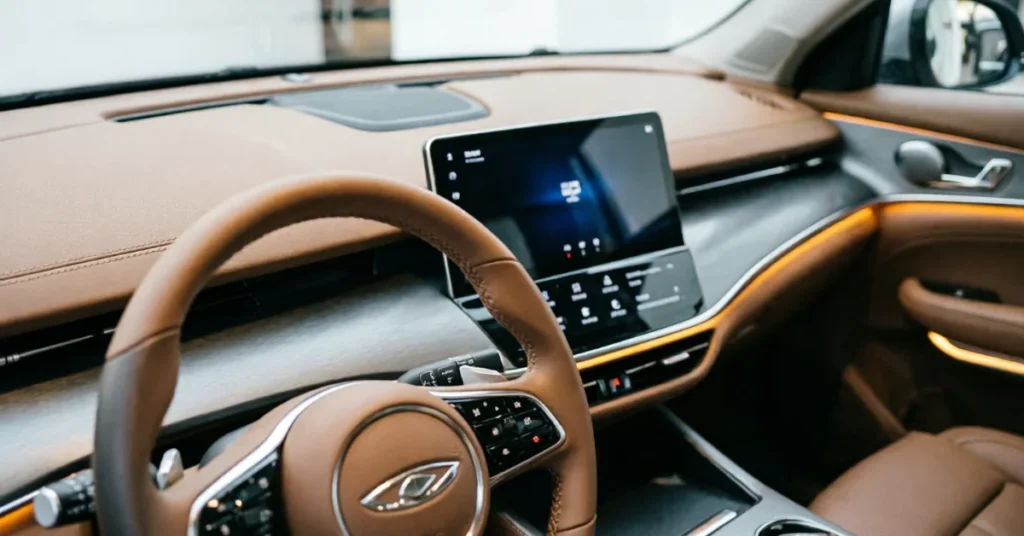
Then there’s the Genesis GV70. Owners and testers alike point to its twin-turbo V6, sharp exterior lines and a cabin that feels genuinely upscale rather than borrowed from a cheaper sibling model. That combination is exactly why it took home a regional Luxury SUV of the Year award this year.
What the Research Shows
Independent market data backs up what the rankings already suggest: buyers keep moving up-market. Luxury vehicle revenue in North America was projected near $7.9 billion in 2025, with the average luxury vehicle now selling for roughly $81,000, and SUVs and crossovers make up a growing share of that spending as families trade sedans for taller, roomier cabins.
That pattern shows up in showroom traffic too. Analysts covering the U.S. auto market through the first half of 2026 note that demand for larger, more powerful luxury models has kept climbing even as overall new-car sales growth has cooled, a sign that affluent buyers are still spending even when everyday car shoppers pull back.
A closer look at who’s shopping this segment tells its own story. First-time luxury buyers moving up from mainstream crossovers tend to gravitate toward the GLE, X5 or GV70, since all three feel familiar to drive while still stepping up the cabin materials. Repeat luxury owners, on the other hand, skew toward the Range Rover or Escalade, where badge history and resale value carry real weight alongside comfort scores.
Who Should Buy a Best Rated Luxury SUV
Not every high scorer fits every driveway. Families hauling kids and gear across three rows should look hardest at the Range Rover, GLS or Escalade, since all three post strong safety and space scores. Single drivers or couples who want a smaller footprint and sharper handling tend to land on the GV70 or Q3 instead.
Buyers who tow trailers, boats or campers regularly should weigh the Lexus GX or a body-on-frame rival before anything car-based, since unibody luxury SUVs generally can’t match that towing ceiling. And anyone chasing lower running costs while keeping luxury features should put the Cayenne Electric or an XC60 plug-in hybrid on the shortlist before deciding.
Shoppers who prefer buying used rather than new can still land a best rated luxury SUV without paying full sticker price. A three-year-old GLE or X5 with a clean service record often carries most of the same cabin tech as the current model year at a noticeably lower cost, though it’s worth checking whether the factory warranty has run out first.
Challenges and Trade-Offs
No model on this list is free of drawbacks, and that’s worth saying plainly.
Full-size luxury SUVs still carry real fuel costs, and towing packages, air suspension and massage seats push base prices well past $80,000 before options. Electric luxury SUVs solve the fuel-cost problem but bring charging-network questions that gas buyers never have to think about. And several models on this list, especially German entries, get criticized for touchscreen-heavy controls that take longer to learn than a simple knob ever did.
Reliability data also splits from comfort scores more often than shoppers expect. A model can rank near the top for ride quality and cabin feel while landing lower on long-term dependability surveys, so cross-checking both numbers before signing paperwork pays off.
Leasing, Buying and Shopping Outside the U.S.
Not every buyer plans to own a vehicle for a decade, and the right pick often comes down to that timeline. Lease deals on electric models like the Cayenne Electric or XC60 plug-in hybrid often come with lower monthly payments than a comparable gas trim, since manufacturers and dealers still push incentives to move electric inventory. Anyone planning to keep a vehicle past the warranty window should lean toward buying instead, since resale value on the Range Rover and GV70 has held up well compared to some German rivals.
Readers outside North America should note that trim names, engine choices and even model availability vary by region. The GLE, X5 and Q3 sell widely across Europe and Asia, but the Escalade and Lexus GX have a much smaller footprint outside the U.S. market, so a local dealer visit is the only reliable way to confirm what’s actually on sale nearby.
The Outlook for 2026 and Beyond
The next twelve months bring more electric and plug-in hybrid options into this class, including new nameplates from brands that haven’t sold an electric SUV before. Expect ranking lists to shuffle as fresh models get tested, but the pattern already forming is clear: buyers reward comfort, cabin quality and dependable tech over raw horsepower numbers alone.
For 2026, the best rated luxury SUV title doesn’t belong to one single vehicle across every list. It depends on segment, budget and how a buyer plans to use the vehicle day to day. What stays consistent across every credible ranking, though, is that the top scorers all combine a quiet, well-built cabin with tech that actually works and a ride that holds up over years, not just a first impression on the lot.
FAQs
What is the best rated luxury SUV overall right now?
The 2026 Land Rover Range Rover currently holds the top overall score among large luxury SUVs from one major ranking group, though the Genesis GV70 leads the compact class from another.
Is the Genesis GV70 really better than German rivals?
It ranks higher than several German compact luxury SUVs on cabin quality and value in current testing, and it also won a regional Luxury SUV of the Year award this year, though buyers should still compare warranty terms and resale data before deciding.
Are electric luxury SUVs as reliable as gas models yet?
Reliability gaps between electric and gas luxury SUVs have narrowed, but they haven’t closed completely, so checking dependability survey data alongside comfort scores still matters.
How much should I budget for a top-rated luxury SUV in 2026?
Compact models start closer to $45,000, while loaded full-size and electric models can pass $110,000 once options are added, so setting a firm budget before scheduling appointments saves time.
Do luxury SUV rankings move often?
Yes. Rankings get revised as new model years arrive and fresh test data comes in, so checking a current-year list rather than an older one matters before making a final decision.