
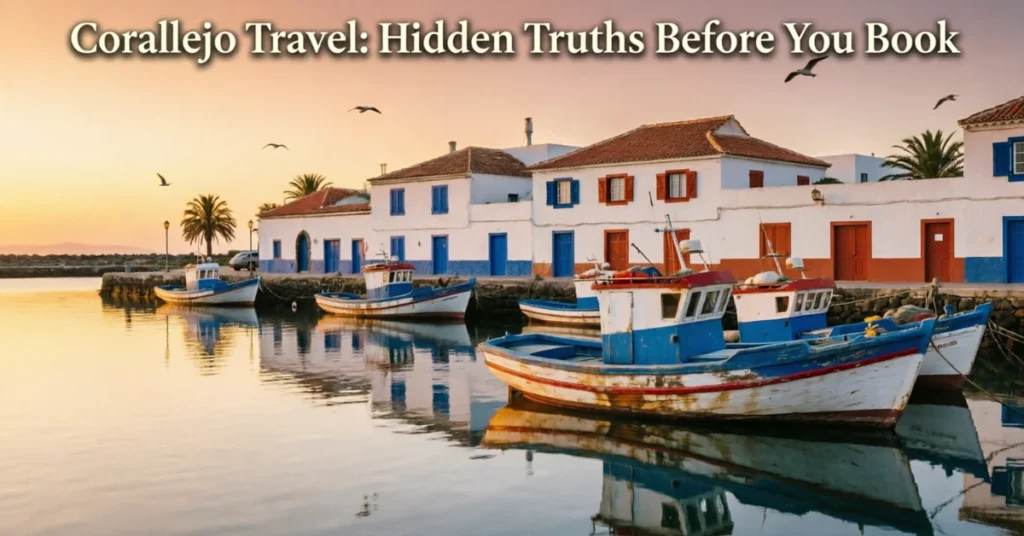
Standing on the harbor wall at sunset, watching fishing boats bob against a sky turned orange over Isla de Lobos, you understand why so many people search for Corralejo travel advice before they’ve even booked a flight. This isn’t a resort town pretending to be authentic. It’s a working Canarian port that happens to have some of the best beaches in Spain wrapped around it, and once you’ve walked its promenade with the wind pulling at your jacket, you get why kitesurfers and grandparents end up loving it for completely different reasons.
Corralejo sits on the northern tip of Fuerteventura, and it grew out of a small fishing village into the island’s liveliest coastal base. Locals here will tell you the town never fully let go of that fishing-village identity, even with resorts and surf hostels lining the streets behind Main Street. That mix is exactly what makes Corralejo travel planning worth doing properly rather than just booking the first all-inclusive that pops up.
Why Corralejo Travel Keeps Growing in Popularity
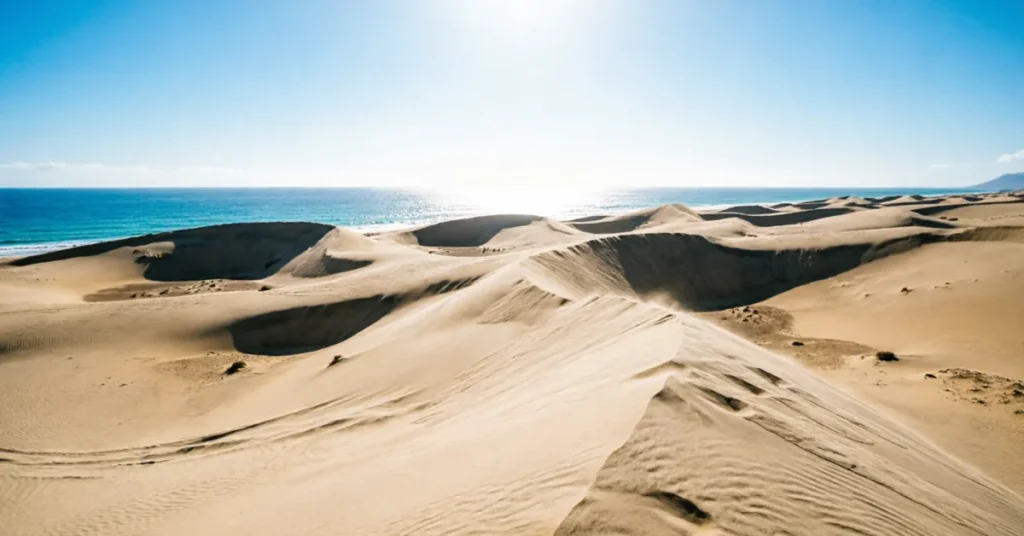
The numbers behind Fuerteventura’s tourism aren’t a mystery. The island has more than 150 kilometers of beaches, and a large share of the best ones sit right along the Corralejo Dunes Natural Park, just south of town. That’s not marketing copy. It’s geography, and it’s the reason repeat visitors keep coming back year after year.
Anyone who has spent a week here knows the appeal isn’t just sand. It’s the light. The volcanic terrain catches the sun in a way that feels almost unreal by late afternoon, and locals here will tell you the golden hour over the dunes is worth rearranging your whole day around.
Corralejo also benefits from one of the more forgiving climates in the Canaries. Daytime temperatures generally sit between 20 and 25 degrees Celsius for most of the year, rarely dropping much below 15 even in winter. That’s a huge part of why Corralejo travel searches spike heavily during the December to February window, alongside a second surge from mid-June through August.
Getting There and Getting Around
Fuerteventura Airport is the arrival point for almost everyone, and Corralejo sits about 40 kilometers north of it. Taxis and shuttles make the trip in under an hour, and the drive itself is scenic enough that it barely feels like a chore.
Once you’re settled, the local bus network, run under the Tiadhe brand, connects the town to the rest of the island reliably and cheaply. Line 6 is the one most travelers end up using, since it runs between the dunes, the harbor area, and onward toward Puerto del Rosario. Anyone who has managed a week here without a rental car knows the bus system covers the basics, even if it won’t get you to the more remote volcanic trails.
Renting a car opens up far more of the island: the caves at Ajuy, the historic village of Betancuria, the lagoons near El Cotillo, and local rental companies typically bundle insurance into the quoted price. Scooters and bikes are popular too, since central Corralejo is compact enough to cover on foot or two wheels once you’re actually in town.
What the Research Shows About Beach Choices
Detailed analysis of visitor patterns around Corralejo points to three main town beaches getting the heaviest foot traffic, each with a distinct personality. Town Beach, just south of the old harbor, has calm, shallow water that makes it the default pick for families with young kids.
Flag Beach and the stretch known locally as Glass Beach sit further out and pull in a different crowd entirely. The wind that rolls steadily off the Atlantic here is exactly what draws windsurfers and kitesurfers from across Europe. Anyone who has watched the kite lines fill the sky off Flag Beach on a breezy afternoon understands instantly why this corner of Fuerteventura built its reputation on watersports.
Further south, the Corralejo Dunes stretch for miles and offer a completely different beach experience: wilder, quieter, and backed by rolling sand rather than a promenade. Bring your own shade and water if you’re heading that way, since services thin out fast once you leave the town center.
Isla de Lobos: The Day Trip Everyone Talks About
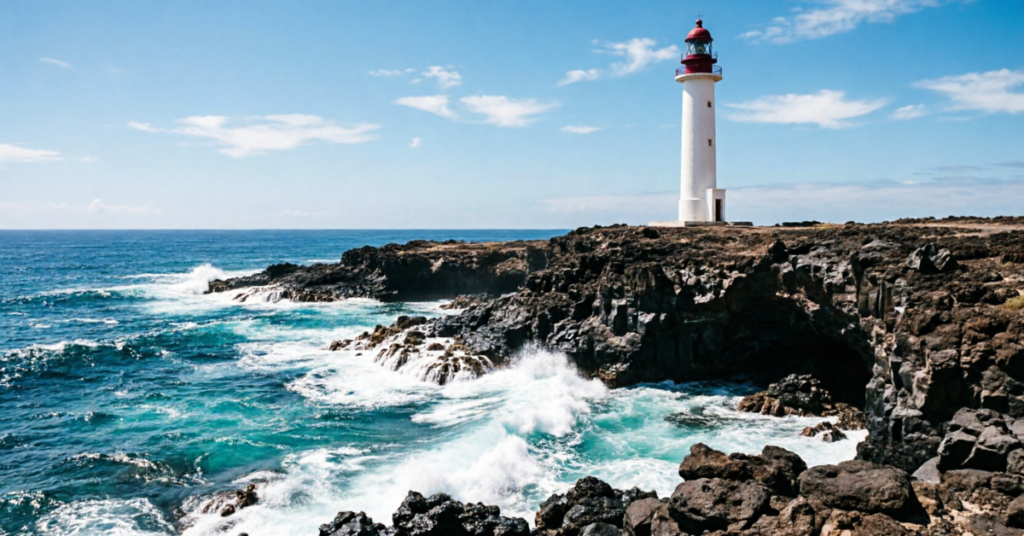
No piece on Corralejo travel would be complete without Isla de Lobos, the small volcanic islet sitting just across the Bocaina Strait. The crossing takes roughly 20 minutes by ferry from Corralejo harbor, and once you’re there, the island unfolds as a protected nature reserve with marked trails, a lighthouse at Punta Martiño, and a sheltered lagoon called Playa de la Concha that’s ideal for a swim.
One detail that catches first-time visitors off guard: a ferry ticket alone doesn’t guarantee entry. Fuerteventura’s local council requires a separate, free access authorization, which can be requested online up to five days ahead. Skip this step and you could be turned away at the dock, so it’s worth sorting out before travel day rather than scrambling once you’ve arrived.
Most visitors spend two to three hours exploring on foot, covering the walk from the jetty to the lighthouse and back with time to spare for snorkeling in the calm coves. Pack food and water, since the island has only a single restaurant near the pier and reservations aren’t guaranteed.
Departures run daily, typically at 9:45, 11:00, 12:30, and 13:30, with return sailings later in the afternoon, though the operator adjusts this seasonally. The one exception: boats don’t run on January 1, January 6, July 16, or December 25, and bad weather can force a last-minute cancellation, so it’s worth building a buffer day into your itinerary if Lobos Island is a must-do for you.
If you want a wider taste of the coastline before or after Lobos, several operators run dune buggy tours through the volcanic backcountry, and one outfit even runs a nighttime Milky Way tour up to the island’s dormant volcano. Anyone who has caught a clear night out there says the stargazing rivals anything you’d get from a dedicated observatory trip.
Food, Culture, and the Rhythm of the Town
Corralejo’s dining scene runs heavier on fresh fish and Majorero cheese than you’d expect from a resort town this size. The cheese, made from goat’s milk on Fuerteventura, has picked up national and international recognition, and it shows up on nearly every tapas menu in the old town.
Anyone who has walked Main Street after dark knows the restaurant density here rivals much bigger destinations. Spanish seafood houses sit beside Italian trattorias, British pubs, and the occasional Chinese kitchen, all within a few blocks of each other. The old town itself, centered on the original harbor, still functions as a working fishing port, and that daily rhythm of boats coming and going gives Corralejo a texture that purpose-built resorts simply don’t have.
For a slower pace, the wellness side of Corralejo travel has grown fast too. Sunrise yoga sessions on the beach and week-long retreats have become common, and several of the larger hotels now run spa circuits built around Atlantic seawater treatments. It’s a solid way to recover after a few days of surfing or hiking the volcanic trails inland.
Family Fun, Shopping, and Nightlife Beyond the Beach
Beaches aside, Corralejo has a handful of practical draws that rarely make it into shorter guides. Acua Water Park sits right in the town center and is Fuerteventura’s only water park, with a Splash Race Track, a Dark Cave slide, twin Zig-Zags, and a Lazy River that gives parents a break while kids burn off energy. On a windy dune day, it’s the easiest backup plan going.
For souvenirs and a bit of air conditioning, Centro Comercial El Campanario is the main shopping stop, and a weekly craft market brings local vendors selling jewelry, leather goods, and handmade ceramics into the same stretch of town. It’s a low-key way to spend a couple of hours without booking anything in advance.
Corralejo’s nightlife tends to surprise first-time visitors who expect a quiet fishing town. The Rock Cafe and Rock Island Bar carry a steady live music scene, and the Retro Bar typically gets going with performances around 9pm most evenings. Solo travelers in particular gravitate toward these spots, since striking up a conversation with bar staff or fellow travelers here comes naturally in a way it doesn’t at the bigger resort bars further south.
Where to Stay Depending on Your Trip
Choosing a base in Corralejo really comes down to what kind of week you want. Staying near the old harbor puts you within walking distance of the best restaurants and the ferry dock, and most of that accommodation is smaller apartments and boutique hotels rather than sprawling complexes.
Families chasing an all-inclusive, beach-front setup tend to head slightly further out, where the bigger resort complexes cluster along the southern beaches. It’s a quieter stretch, better suited to travelers who want everything: pools, kids’ clubs, evening entertainment, on site rather than a short walk away.
Surf hostels have carved out their own niche too, and they’re a genuinely good option for solo travelers or digital nomads who want a built-in social scene. Many bundle communal dinners with surf lessons, which makes them a cheap, easy way to meet people without any real planning effort.
Practical Tips Before You Book
A few details rarely make it into glossy brochures but matter once you’re actually on the ground:
- The wind can mask how strong the sun is, so sunscreen matters even on days that feel mild.
- Parking in the town center gets genuinely difficult by late afternoon, especially in high season.
- Local buses don’t accept fifty-euro notes, so carry smaller bills if you’re relying on Tiadhe.
- May and October offer lower prices and thinner crowds without sacrificing much in the way of weather.
Anyone who has worked in Canary Islands tourism will tell you the same thing: booking Corralejo travel during the shoulder months is one of the easiest ways to stretch a budget further.
What the Future Holds for Corralejo Travel
Fuerteventura’s status as a UNESCO Biosphere Reserve has pushed local authorities toward tighter controls on natural areas like Isla de Lobos and the dune system, and that trend looks set to continue through 2026 and beyond. Visitor caps, timed entry slots, and stricter camping bans all point toward a destination trying to protect what makes it worth visiting in the first place.
That balance between growth and conservation is really the story of Corralejo right now. The town keeps expanding its hotel and hostel capacity to meet demand, yet the pull toward protecting the dunes, the reef, and Lobos Island signals that officials understand exactly what’s at stake if they don’t.
Conclusion
Corralejo travel rewards a bit of upfront planning far more than most Canary Island destinations. Between the beach variety, the Lobos Island day trip, and a food scene that still feels rooted in fishing-village tradition, there’s enough here to fill a week without ever repeating a day. Get the ferry authorization sorted early, pick your base according to the pace you want, and the rest of the trip tends to fall into place on its own.
FAQs
Is Corralejo good for families or better suited to couples?
Both, honestly. Town Beach and the calmer resorts further south work well for families, while the old town’s restaurants and nightlife suit couples and solo travelers just as easily.
How far in advance should I book the Lobos Island ferry?
Booking a few days ahead is usually enough outside peak season, but the separate access authorization should be requested as early as possible since slots are capped daily.
What’s the best time of year for Corralejo travel on a budget?
May and October tend to offer the best mix of good weather and lower prices, sitting just outside the busier December-to-February and June-to-August windows.
Do I need to rent a car in Corralejo?
Not strictly. The Tiadhe bus network, especially Line 6, covers the town, dunes, and airport route well, though a car opens up more remote spots like Betancuria and the Ajuy caves.
Is Corralejo walkable without a car?
Yes. The town center is compact, and most beaches, restaurants, and the harbor sit within easy walking or cycling distance of central accommodation.