

The best places to travel in January share one thing in common: they reward the traveler who books while everyone else is still recovering from New Year’s Eve. Flights are cheaper, hotel rooms are easier to snag, and the destinations that get mobbed in July feel almost peaceful. I’ve spent enough Januarys chasing sunshine and snow to know the good picks from the overhyped ones, and 2026 is shaping up to be a strong year for both.
This isn’t a generic “top 10” scrape job. It’s a breakdown built around what actually works this month, where the weather cooperates, where prices make sense, and where you’ll come home with a story instead of a sunburn and regret.
The Best Places to Travel in January When You Want Guaranteed Sun
If escaping the cold is the entire point of your trip, a handful of destinations deliver without fail.
The Canary Islands sit off the coast of West Africa but belong to Spain, which means January feels less like winter and more like a permanent spring. Tenerife and Lanzarote both hover in the low-to-mid 20s Celsius, and the volcanic landscapes make for hikes you won’t find anywhere else in Europe. Anyone who has spent a January morning surfing off Lanzarote’s black-sand coast knows the appeal instantly. It’s warm enough for board shorts, but the crowds are nowhere near summer levels.
Key West, Florida is the domestic answer for anyone not ready for a long-haul flight. January lands in the sweet spot between hurricane season and the brutal summer heat, and the town’s laid-back energy, six-toed cats included, makes it an easy few days.
Cartagena, Colombia rounds out the trio. best places to travel in january falls in the country’s dry season, with highs regularly touching 31°C, and the walled colonial city gives you history and beach time in one trip.
Best Places to Travel in January If You’d Rather Chase Snow and Northern Lights
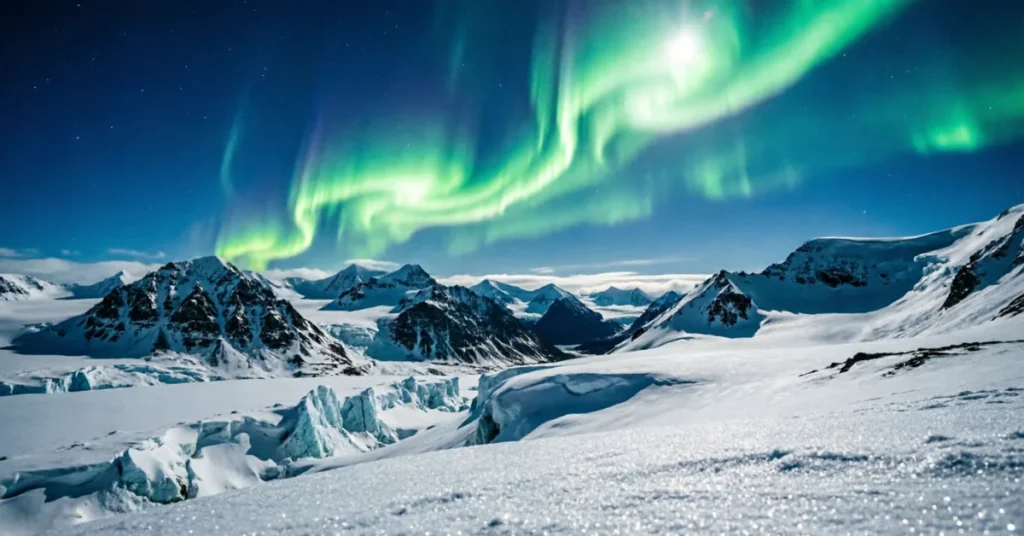
Not everyone wants heat. For plenty of travelers, January is exactly when the trip should get colder, not warmer.
Svalbard, Norway is about as far north as commercial travel gets. Sitting roughly midway between mainland Norway and the North Pole, this is Polar Night territory. The sun doesn’t rise, but that darkness is precisely what makes aurora sightings so reliable. Those who’ve stood outside a heated cabin at 2 a.m. watching green light ripple overhead describe it as something that doesn’t fully translate to photos.
Budapest, Hungary offers a gentler version of winter. Soaking in one of the city’s thermal baths while snow falls around you is a genuinely different kind of relaxation, and January hotel rates in Budapest run noticeably lower than the summer season.
Glenwood Springs, Colorado, tucked in the mountains west of Denver, pairs hot-spring soaking with easy access to skiing, a combination that’s hard to find packaged together anywhere else in the U.S.
Where Locals and Repeat Visitors Actually Go This Month
Beyond the obvious picks, a few destinations get quietly recommended by people who’ve been more than once.
- Luang Prabang, Laos — dry, cool weather and gilded temples, with far fewer tourists than Southeast Asia’s beach towns.
- Melbourne, Australia — summer in the Southern Hemisphere brings warm days and lively laneway culture, and the city’s biggest tennis tournament typically runs from mid to late January (the 2026 edition ran January 18 through February 1), which pushes hotel demand up during that specific window even as the rest of the city stays in low season.
- Old San Juan, Puerto Rico — daily highs around 28°C, plus a bioluminescent bay that’s easiest to enjoy during January’s quieter weeks.
- Nairobi and the Masai Mara, Kenya — considered a high season for wildlife travel, with strong birding and Big Five sightings this time of year.
- Southwest Sri Lanka — January sits in the calm-seas window along the Bentota and Tangalle coastline, and it happens to overlap with the best whale watching stretch of the year, making it an underrated pick for anyone chasing marine wildlife rather than just a beach chair.
Each of these places solves a different problem: crowds, cost, weather, or simply wanting something less obvious than the usual winter-sun list.
The New Traveler Types Showing Up in January
Two shifts in how people travel are changing what “best” even means this month, and most January guides skip both.
Workations are no longer a fringe habit. Remote work has quietly turned January into a favorite month for longer stays, since off-season rates make a two- or three-week trip more affordable than a single peak-season week. Digital nomad numbers in the U.S. have more than doubled over the past several years, and destinations with reliable Wi-Fi and month-long rental options, think Bali, Lisbon, or Mexico’s Riviera Maya, are increasingly built around this kind of visitor rather than the classic one-week vacationer.
AI trip planning is reshaping how people choose where to go at all. A meaningful share of travelers now lean on AI tools to shortlist destinations, compare flight prices, and build day-by-day itineraries before they ever open a traditional booking site. That doesn’t replace judgment or local knowledge, but it does mean more people are arriving at January’s classic destinations, the Canary Islands, Svalbard, Puerto Rico, through a completely different discovery path than they would have five years ago.
What the Research Shows About January Travel in 2026
Detailed analysis of current travel behavior shows this isn’t just anecdotal. Recent industry surveys point to a majority of Americans planning to travel this year, with a growing share building trips around milestone moments rather than generic vacations. Coverage of 2026 travel patterns has also pointed to a real shift toward off-peak and shoulder-season bookings, as travelers increasingly prioritize value and quieter destinations over the same crowded hotspots.
That pattern lines up with what January offers by default. It’s already a shoulder-season month almost everywhere outside the Southern Hemisphere summer, which is exactly why prices and crowd levels both drop. When examining booking timing closely, January consistently shows up as one of the cheaper windows to lock in both flights and accommodation, particularly for trips planned six to eight weeks out.
Who Should Rethink a January Trip
Not every kind of traveler benefits equally from a January getaway, and it’s worth being honest about that.
Families with young kids may find long-haul flights to Southeast Asia or Africa tough on this timeline, especially right after the holiday travel crunch. Shorter regional trips, Puerto Rico, the Canary Islands, Florida, tend to work better logistically.
Budget travelers get real value in January, but airfare to snow-heavy ski destinations like the Alps can spike around specific holiday weekends, so it pays to check dates carefully rather than assuming the whole month is cheap.
First-time solo travelers often do well with January because tour groups and small-group trips run smaller and more personal this time of year, with less competition for popular excursions and restaurant tables.
Practical Tips Before You Book
A few things separate a smooth January trip from a frustrating one.
- Check shoulder-season weather swings. Places like the UK Highlands or Puerto Rico’s mountains can flip from mild to wet within days.
- Book Arctic aurora trips with flexible dates. Cloud cover ruins more northern lights trips than anything else, so give yourself three to four nights, not one.
- Watch flight pricing around January 1–7. Post-holiday demand keeps prices elevated for the first week before dropping noticeably.
- Pack for both extremes if you’re island-hopping. Reef-safe sunscreen and a light rain layer cover most Caribbean and Canary Islands trips.
- Budget for winter disruption, not just the ticket price. January brings the highest odds of storm-related delays across the U.S. Northeast and parts of Europe, so flexible-date tickets or a basic travel insurance policy can save a trip rather than just the money.
- Check entry requirements early. Several popular January destinations, including much of the Caribbean and the Canary Islands, allow visa-free entry for most Western passport holders, but Southeast Asian countries like Laos often require a visa on arrival or e-visa, so it’s worth confirming before booking flights.
Anyone who has planned a multi-stop January itinerary knows the biggest mistake is assuming the whole month behaves the same everywhere. It doesn’t, and that’s precisely the point.

Final Thoughts
There’s no single right answer to where to go, but the best places to travel in January all share the same underlying logic: lower demand, better prices, and weather that rewards a bit of planning. Whether that means chasing sun in the Canary Islands, hunting auroras in Svalbard, watching whales off Sri Lanka’s southwest coast, or settling into a longer workation in Bali, January turns out to be one of the smarter months on the calendar to actually go somewhere.
FAQs
Is January a good time to travel internationally?
Yes. January generally sits in the low season for airfare and hotel rates across much of the Northern Hemisphere, while being high season in parts of the Southern Hemisphere and along Europe’s rare warm corners like the Canary Islands.
Where can I see the northern lights in January?
Svalbard, Arctic Norway, and parts of Arctic Canada offer strong aurora visibility in January thanks to extended darkness during the Polar Night.
What’s the cheapest time in January to book a trip?
Prices typically start dropping after the first full week of January, once post-holiday demand eases off.
Is the Caribbean crowded in January?
It’s busier than the off-season months, but still noticeably quieter than the February–March peak, making it a solid middle-ground month.
Can families travel comfortably in January?
Yes, particularly to shorter-haul destinations like Florida, Puerto Rico, or the Canary Islands, where flight times and weather adjustments are easier to manage.