

Most “best travel destinations for students” lists read like they were copied from a 2015 hostel pamphlet. Same five cities, same recycled advice, same vague promises about “unforgettable memories.” That’s not useful when you’re trying to figure out where €400 in savings can actually take you in 2026.
Here’s the real answer. The best travel destinations for students right now share three traits: cheap flights, low daily spend, and a scene that doesn’t feel dead by 9 p.m. Some are obvious. A few aren’t on anyone’s radar yet, and that’s exactly why they’re worth booking before everyone else catches on.
What Makes These the Best Travel Destinations for Students Right Now
Price is the obvious filter, but it isn’t the only one. A destination earns a spot on any real list of the best travel destinations for students when it hits four marks at once: affordable flights from major student hubs, a daily budget under $60 to $70, a hostel or dorm culture that actually connects people, and enough to do that a week doesn’t feel padded with filler days.
Currency also matters more than people admit. Countries that haven’t adopted the euro, or that sit outside the usual Western European tourist loop, tend to stretch a student budget noticeably further without cutting into the experience.
Anyone who has planned a semester-break trip on a shoestring knows the frustration of a destination that looks cheap online and turns out expensive once transport, food, and “optional” entry fees pile up. The cities below hold up once you actually get there.
Comparing the Best Travel Destinations for Students at a Glance
Numbers side by side make decisions faster than five separate paragraphs. Here’s how the top picks stack up on daily cost, timing, and how much hassle they involve to actually get into the country.
| Destination | Daily Budget (approx) | Best Months to Go | Visa Situation | Getting Around |
|---|---|---|---|---|
| Porto, Portugal | $35–50 | Apr–Jun, Sep–Oct | Easy (Schengen) | Walkable, metro |
| Lisbon, Portugal | $45–65 | Apr–Jun, Sep–Oct | Easy (Schengen) | Trams, metro, rail |
| Krakow, Poland | $30–45 | May–Jun, Sep | Easy (Schengen) | Trams, walkable |
| Bangkok / Hanoi | $20–35 | Nov–Feb | Simple e-visa or visa-on-arrival | Grab, buses, trains |
| Albania (coast) | $30–45 | May–Sep | Visa-free for most passports | Local buses |
These figures cover accommodation in shared hostel or dorm rooms, two to three meals a day, local transport, and a couple of paid attractions. Flights and alcohol-heavy nights push the number up fast, so treat the range as a floor, not a ceiling.
Porto and Lisbon: Portugal’s One-Two Punch for Student Travelers
Portugal has quietly become the country every student traveler is talking about, and it earns that reputation. Porto, the country’s second-largest city, is known for port wine cellars, tiled facades, and a compact old town that’s genuinely walkable in a single afternoon.
A student sticking mostly to local spots and shared hostel dorms can get through Porto comfortably without blowing a weekend budget. Meals at neighborhood tascas run cheap, and the riverside Ribeira district turns into a genuinely social scene once the sun goes down.
Lisbon costs more than Porto now, and it’s worth being upfront about that. Rents and daily prices have climbed since 2020, and a longer stay can run closer to a mid-range European city than a bargain one. Still, for a short trip, a prato do dia lunch, tram rides through Alfama, and a beach day just a short train ride away keep it firmly on the list of the best travel destinations for students who want culture and coastline in the same itinerary.
Krakow, Poland: Where Every Zloty Stretches Further
If Portugal is the trendy pick, Krakow is the quiet workhorse. Poland never adopted the euro, and that single fact keeps daily costs noticeably lower than in Vienna, Prague, or Berlin, even though Krakow offers comparable architecture and history.
The old town sits on the UNESCO World Heritage list, and the city holds one of the oldest universities in Central Europe, which means a massive resident student population and a nightlife scene built around that crowd rather than tourists.
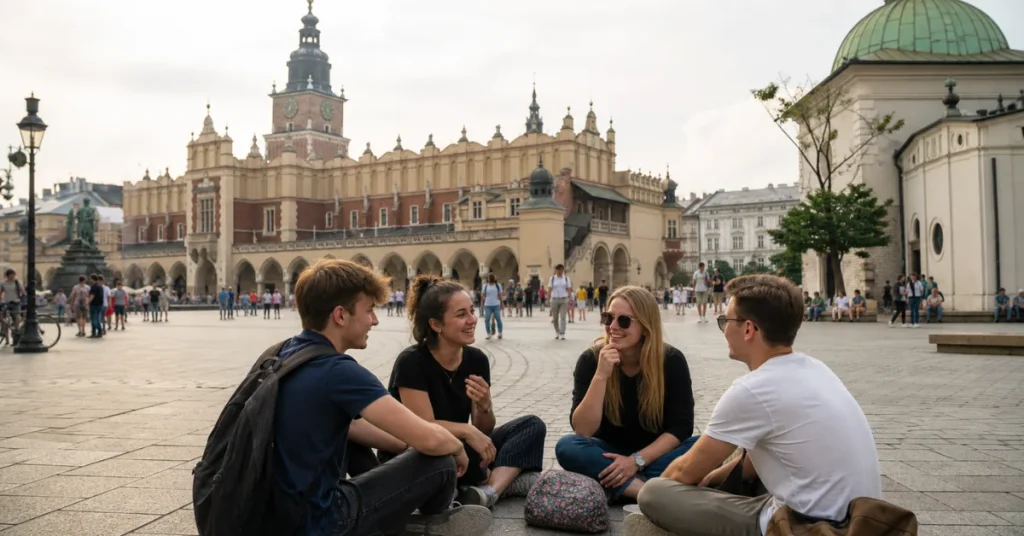
Hostel beds start low, tram tickets cost next to nothing, and a full restaurant meal rarely dents a weekly budget the way it would elsewhere in the EU. Day trips to the Wieliczka Salt Mine or the Auschwitz-Birkenau memorial add historical weight to a trip that’s otherwise built around cobblestone streets and cheap pierogi.
Southeast Asia Cities Built for Long, Cheap Stays
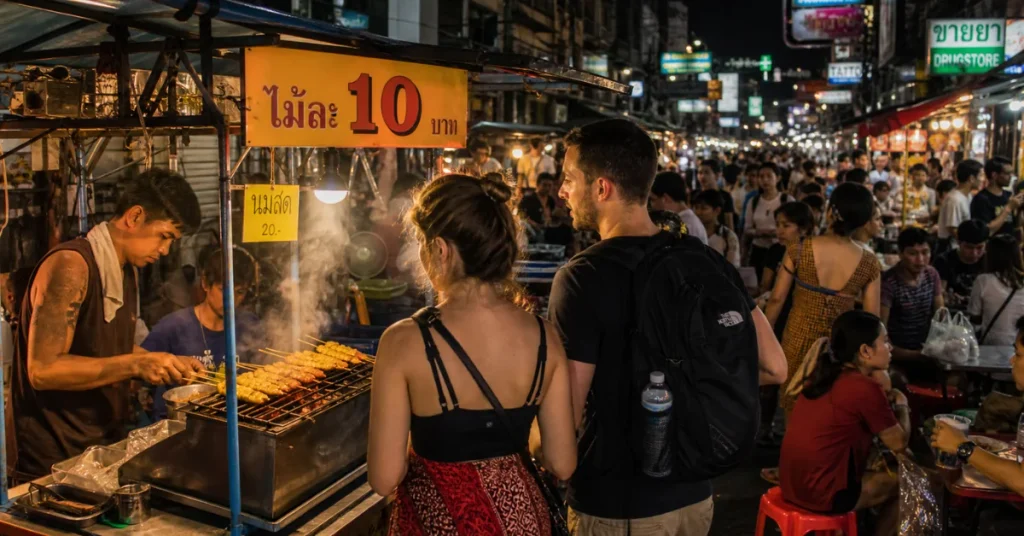
Anyone weighing a longer break, a gap semester, or a post-graduation trip should look east. Bangkok, Hanoi, Ho Chi Minh City, and Siem Reap consistently show up as some of the best travel destinations for students who want their money to last weeks instead of days.
Street food alone can carry a daily food budget under $10. Guesthouses and hostels are plentiful and cheap, visa processes for most Western passport holders are straightforward, and regional flights between cities cost a fraction of intra-European fares.
Professionals working in student and youth travel consistently note that Southeast Asia rewards travelers willing to slow down. A rushed three-day stop barely scratches the surface, but a two-week loop through Vietnam or Cambodia delivers a depth of experience that’s hard to match on a European weekend hop.
Connectivity is worth planning for separately here. A local SIM or an eSIM plan bought before landing costs a few dollars and solves the biggest daily annoyance, which is trying to navigate a new city with no data.
The Balkans: Europe’s Most Underrated Student Route
Croatia and Albania rarely top mainstream travel lists, and that’s precisely the appeal. The Balkans offer beaches, walkable old towns, genuinely good food, and a nightlife scene without the price tag attached to Western Europe’s coastline.
Albania in particular has seen a wave of interest from budget-conscious travelers chasing Croatia’s coastline at a fraction of the cost. Local buses connect coastal towns cheaply, and hostel culture is growing fast enough that solo travelers rarely feel isolated.
Buses beat trains through most of this region. Rail networks in the Balkans are patchy and slow compared to Western Europe, so a regional bus pass or point-to-point tickets almost always work out cheaper and faster than trying to stitch together a rail route.
This region rewards flexibility. Fixed itineraries with rigid bookings work against the loose, hop-between-towns rhythm that makes the Balkans one of the best travel destinations for students chasing value without sacrificing scenery.
What the Research Shows
Industry tracking of youth and student travel points to a segment that’s grown faster than general tourism since the pandemic slump. Young travelers between 15 and 29 now make up a notably large share of international tourist arrivals worldwide, and that share has kept climbing as flight capacity and visa processes normalized through 2025 and into 2026.
Cost data from student-focused travel platforms backs up the destination picks above. Central European cities like Krakow consistently price out at 30 to 50 percent below Western European capitals for comparable daily spend, while Southeast Asian cities routinely undercut both regions by an even wider margin.
Anyone tracking booking patterns for university-age travelers has noticed the same shift: shorter, closer trips during term time, and longer, farther ones stacked into summer or gap periods. That pattern shapes which destinations actually make sense depending on how much time a student has to work with.
Before You Book: Passes, Insurance, and Connectivity
A few practical pieces get skipped in most planning guides, and skipping them tends to cost more later than sorting them out upfront.
Rail and youth passes. For the European legs of a trip, a youth rail pass covering multiple countries usually beats buying individual point-to-point train tickets, especially for anyone bouncing between Porto, Lisbon, and a third stop. Passes are priced by age bracket, and most cut off around 27, so check eligibility before assuming it’s the cheaper route.
Travel insurance. This gets treated as optional by a lot of first-time travelers, and it shouldn’t be. A basic short-term policy covering medical emergencies, trip cancellation, and lost baggage costs relatively little against the total trip budget, and it’s the one line item that actually protects the rest of the money already spent. Compare a few providers directly rather than defaulting to whatever a booking site upsells at checkout.
Connectivity. Beyond Southeast Asia, an eSIM or local prepaid SIM matters just as much in Europe. Roaming charges outside a home network can add up fast, and most major carriers now offer eSIM plans that activate before landing, which avoids the airport kiosk line entirely.
Timing It Around Your Semester
Most students aren’t choosing dates freely. They’re working around a fixed academic calendar, and the trip that works well depends heavily on which window it falls into.
A spring break trip, typically one to two weeks, fits Porto, Lisbon, or Krakow well since flight times from most student hubs stay under four hours and the shoulder-season pricing in April lines up almost perfectly. A winter break trip favors Southeast Asia, since November through February is dry season across most of the region and airfares from Europe and North America tend to dip after the December holiday spike. A full summer break, six weeks or longer, is really the only window that makes a longer Southeast Asia or Balkans loop worthwhile once flight cost gets factored against the number of days on the ground.
How to Actually Afford These Trips
Budgeting is where most student trips fall apart before takeoff. A few habits separate a trip that happens from one that stays a Pinterest board.
- Book flights 8 to 12 weeks out using flexible date search, not fixed dates
- Split every fixed cost, hostel rooms, tours, transport passes, across a travel group
- Use a student ID or ISIC card at museums, transport, and select restaurants
- Cook or eat street food for at least half of daily meals instead of sit-down dining
- Set a hard daily cap and track spending in a simple notes app, not a mental estimate
- Compare bus and rail prices before assuming trains are automatically cheaper
None of this is glamorous advice, but it’s the difference between a trip that lasts a week and one that stretches to two on the same budget.
Who Should Actually Take This Trip
Not every destination on this list suits every traveler. A first-time solo student, still nervous about navigating a foreign transit system, tends to do better in Krakow or Porto, where English is widely spoken and infrastructure is straightforward.
Solo female travelers consistently report that Porto, Lisbon, and Krakow feel comfortable for walking alone after dark in central areas, while parts of Southeast Asia and the Balkans call for a bit more caution around late-night solo transport. Sticking to well-reviewed hostels with female dorm options, sharing a ride after dark instead of walking, and keeping a rough check-in plan with someone back home covers most of the risk without turning the trip into a security exercise.
A group of four or five splitting costs gets far more value out of Southeast Asia, where accommodation and transport pricing rewards larger parties. And a student with a longer break and genuine comfort with uncertainty is the one who gets the most out of the Balkans, where things run a little looser and a little less scripted.
Matching the destination to the traveler, not just the price tag, is what separates a trip people actually finish from one that gets cut short by burnout or budget panic.
Conclusion
There isn’t one single answer to where students should go this year. The best travel destinations for students in 2026 split roughly into three lanes: Portugal and Poland for short, culture-dense European trips; Southeast Asia for longer stretches where money goes furthest; and the Balkans for travelers who want value without giving up on scenery. Pick based on how much time and patience you’re bringing, not just how much cash is in the account, and the trip tends to work out.
This article discusses general travel planning and budget guidance for informational purposes. Prices and conditions can change, so confirm current rates, visa requirements, and insurance coverage before booking.
FAQs
What is the cheapest destination for students to travel to in 2026?
Krakow and other Central European cities consistently rank among the cheapest, thanks to Poland retaining its own currency and keeping daily costs well below Western Europe.
How much should a student budget per day for travel?
A realistic range sits between $30 and $70 a day depending on destination, covering hostel accommodation, local food, and public transport, though Southeast Asia often runs lower.
Is it safe for students to travel solo to these destinations?
Porto, Lisbon, and Krakow are all considered low-risk for solo travelers, with strong hostel networks; Southeast Asia and the Balkans are generally safe too but reward extra planning around transport and accommodation.
How do I choose between the best travel destinations for students on a tight budget?
Start with the comparison table above, then weigh trip length against daily cost: short breaks favor Europe, while longer breaks make Southeast Asia’s lower daily spend pay off more.
Do I need a student ID to get travel discounts?
An International Student Identity Card (ISIC) unlocks discounts on museums, transport, and some accommodation across most of the destinations listed here, and it’s worth arranging before departure.