
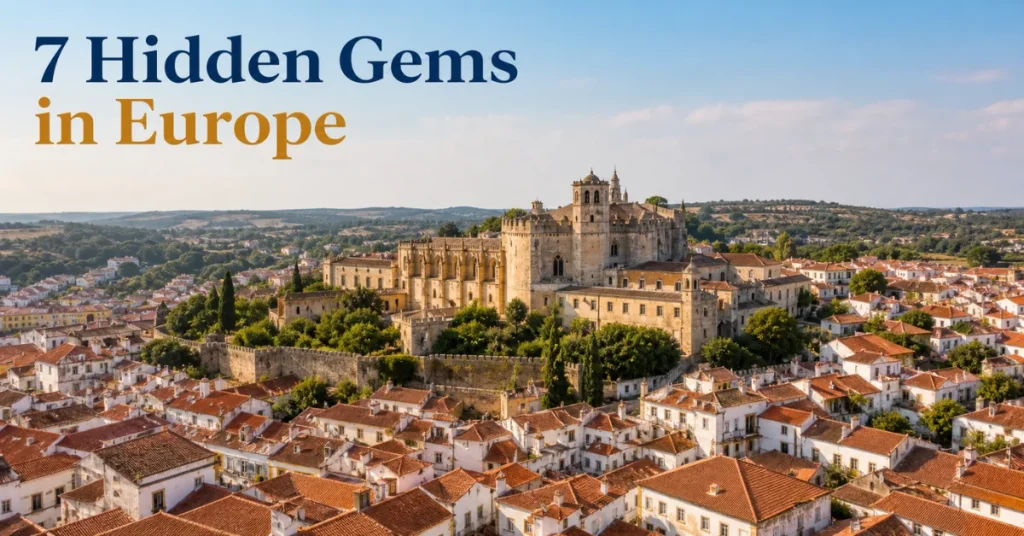
Standing in a near-empty square in a town most people couldn’t point to on a map, you start to understand why the search for hidden gems in Europe has turned into something bigger than a travel trend. It’s a reaction. After years of hour-long queues outside famous museums and hotel bans in cities that simply ran out of room, travelers are quietly rerouting themselves toward places that still feel like discoveries.
This shift isn’t just anecdotal. Several European cities have introduced visitor caps and new hotel restrictions in response to overtourism, and that pressure is pushing curious travelers further off the map than ever before.
What Counts as Hidden Gems in Europe Right Now
Not every quiet town qualifies. A genuine hidden gem usually has three things going for it: real cultural depth, a low ratio of visitors to locals, and infrastructure good enough that you won’t spend your trip hunting for a working ATM.
Anyone who has planned a trip off the beaten path knows the difference between “undiscovered” and “underdeveloped.” The best hidden gems in Europe sit right in that sweet spot, worth visiting, but not yet worth an Instagram geotag with three million posts attached.
Second cities are a big part of this. Places that sit an hour or two from a country’s capital often carry the same architecture, food culture, and history, minus the queues. Kraków, Porto, and smaller Balkan capitals have all picked up this reputation in the past two years.
Why Everyone’s Suddenly Chasing Hidden Gems in Europe
Prices are part of the story. A short stay in a well-known capital can eat a travel budget in days, while a lesser-known destination often delivers the same quality of food and lodging for noticeably less.
But it’s not only about money. Travelers who’ve done the big-city checklist trip once are looking for something that feels personal rather than performative. Locals in smaller towns tend to have more time for a real conversation, and that changes the entire texture of a trip.
There’s also a practical angle. Warmer, more crowded peak summers in southern hotspots have made shoulder-season trips to quieter regions the smarter play, not just the cheaper one.
Real Places Worth the Detour
Tomar, a Portuguese town founded in 1160, recently topped an independent European hidden-gem ranking that scored destinations on food quality, accommodation costs, and how under-the-radar they still are. The ranking, built from search trends and holiday-home pricing data alongside quality scores for views, food, and weather, placed Tomar at the top of its list, with Brisighella in Italy in second place and Nafplio in Greece close behind in third.
Head north and the story changes completely. Estonia’s remote islands have picked up attention for a very different reason. These secluded spots offer solitude, nature, ancient architecture, and abundant wildlife for a quieter kind of holiday.
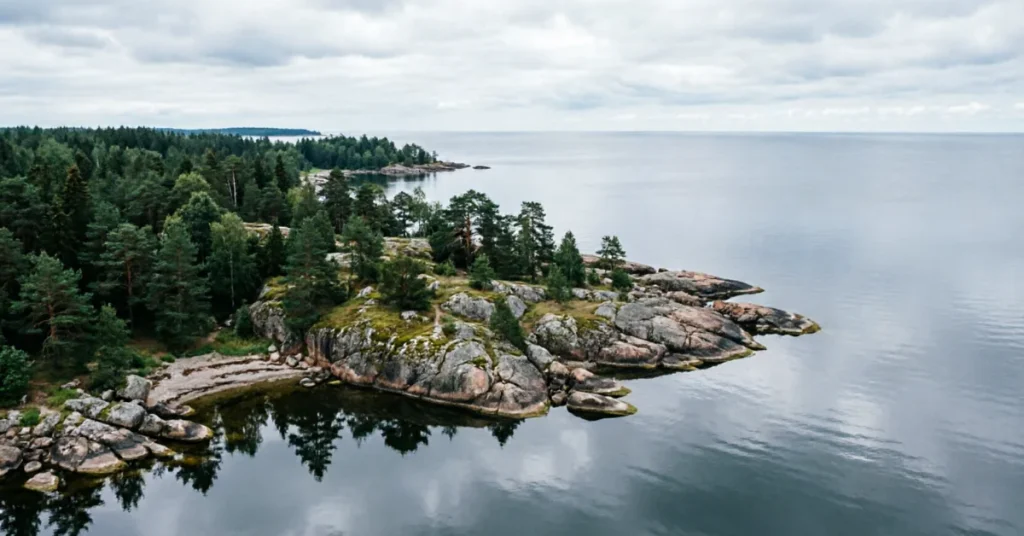
Here’s a quick side-by-side for planning purposes:
| Destination | Country | Best For | Nearest Airport | Transfer Time | Ideal Season |
|---|---|---|---|---|---|
| Tomar | Portugal | History, food | Lisbon | ~1.5–2 hrs by car/train | Spring, Fall |
| Brisighella | Italy | Slow travel, food | Bologna | ~1–1.5 hrs by car | Spring, Fall |
| Nafplio | Greece | Coastal, culture | Athens | ~2 hrs by car/bus | Spring, early Summer |
| Estonian islands | Estonia | Solitude, nature | Tallinn | Ferry + drive, varies by island | Summer |
Anyone who has managed a multi-stop European itinerary knows the value of pairing one famous city with one lesser-known neighbor. A few days in a capital, followed by a few days in its overlooked second city, tends to produce a far more balanced trip than a straight capital-to-capital run.
What These Trips Actually Cost
Nobody needs a made-up dollar figure to know that smaller towns cost less than capital cities, but it helps to know where the savings actually show up.
- Lodging: Guesthouses and small hotels in places like Tomar or Brisighella typically run in the budget-to-mid range compared with three-star hotels in Lisbon or Rome.
- Food: Local trattorias and family-run tavernas usually charge less than tourist-zone restaurants in major capitals, and portions tend to be generous.
- Transport: Regional trains and buses connecting these towns to nearby capitals are usually far cheaper than intercity flights or high-speed rail between major hubs.
- Activities: Many of the best experiences, walking historic centers, hiking coastal paths, visiting local markets, don’t cost anything at all.
Budget travelers who plan around shoulder season and regional transport instead of flights typically stretch their money the furthest.
Getting There: Airports, Transfers, and Visas
Most of these destinations sit within a two-hour transfer of a major international airport, which keeps them realistic even for a short trip. Tomar connects easily from Lisbon, Brisighella from Bologna, and Nafplio from Athens.
For travelers from outside the EU, Schengen area rules apply the same way they would for a trip to Paris or Rome. Portugal, Italy, and Greece are all Schengen members, so a single visa (where required) covers all three. Estonia is also part of the Schengen zone, though island transfers there run on ferries rather than roads, so build extra time into any itinerary.
Anyone who has booked cross-border regional trains in Europe knows connections aren’t always seamless. It’s worth checking the last transfer of the day before committing to a same-day arrival plan.
A Sample 3-Day Itinerary in Tomar
For travelers who want a concrete starting point rather than a vague suggestion, here’s how a short trip to Tomar typically breaks down:
Day 1: Arrive from Lisbon, settle into a guesthouse in the old town, and spend the afternoon walking the historic center before an early dinner at a local tasca.
Day 2: Visit the Convento de Cristo in the morning before the midday heat, followed by a slower afternoon along the Nabão River and a walk through the Jewish Quarter.
Day 3: Take a short day trip to a nearby village or vineyard, then head back to Lisbon in the evening or continue on to another region.
This kind of pacing works well precisely because Tomar isn’t built around tourist volume. Nobody’s rushing you out of a café to turn the table.
Solo and Female Traveler Notes
Smaller towns often feel safer after dark simply because there’s less foot traffic and fewer crowded nightlife zones to navigate. That said, quieter streets also mean fewer people around if something does go wrong, so a few practical habits help.
Sticking to well-lit main streets after dark, confirming that accommodation has 24-hour contact access, and letting someone know your day’s route are all small steps that make a real difference in towns where public transport stops earlier than in big cities. Local tourism offices in places like Tomar and Nafplio are generally used to solo travelers and can point toward reliable taxi or transfer options.
What the Research Shows
Detailed analysis of current travel patterns points to a real behavioral shift, not just a passing fad. Search interest and pricing data specifically tracked for the 2026 travel season show quieter destinations climbing in both bookings and buzz, while several long-time favorites are actively managing down their visitor numbers through caps and building restrictions.
That combination, rising demand for alternatives paired with tightening supply in the classics, is exactly why interest in hidden gems in Europe keeps climbing every season instead of fading after one viral article.
The Trade-offs Nobody Mentions
Fewer crowds usually mean fewer conveniences, and that’s worth saying plainly. Smaller towns often have limited public transport after dark, fewer English-speaking staff, and shorter opening hours for restaurants and shops.
A few honest trade-offs to weigh before booking:
- Less nightlife and fewer late-night dining options
- Smaller airports, which can mean longer transfer times
- Limited tourist infrastructure like multilingual signage
- Fewer big-name hotel chains, more independent guesthouses
- Occasionally patchy wifi in rural stretches
None of that should be a dealbreaker. It’s simply the honest cost of trading polish for authenticity, and most travelers who make that trade say they’d do it again.
Traveling Responsibly in Small Towns
Part of what makes these places special is exactly what’s at risk if visitor numbers spike too fast. Small towns don’t have the infrastructure that Venice or Barcelona built over decades, which means a sudden surge can strain water systems, housing, and local patience just as quickly.
Practical ways to travel responsibly include booking locally-owned guesthouses instead of large chains, eating at family-run restaurants rather than imported franchise options, and avoiding peak-season crowding by visiting in shoulder months. Respecting quiet hours in residential areas matters too, since many of these towns are still primarily lived-in, not built around tourism.
How to Actually Find One Yourself
Finding a genuine hidden gem takes a bit more digging than typing a country name into a search bar. Here’s a practical approach that works:
- Look at second cities near major capitals rather than the capitals themselves
- Check regional tourism boards, which often promote lesser-known towns more aggressively than international outlets do
- Search flight and rail routes into smaller regional airports, since flight availability often signals real accessibility
- Read recent local reporting instead of old listicles, since visitor numbers shift fast
- Time trips for shoulder season, when prices drop and locals have more time for visitors
This isn’t a complicated process. It just takes a little patience instead of defaulting to the first city name that comes to mind.
Who Should Chase These Spots
Solo travelers and couples looking for something slower will get the most out of this kind of trip. Families with young kids might find some smaller towns light on kid-specific activities, so a mix of one lesser-known stop and one established hub often works better for that group.
Budget-conscious travelers benefit the most directly, since accommodation and food costs in overlooked regions typically run well below capital-city rates. First-time visitors to Europe might still want at least one iconic stop on their itinerary, paired with a quieter destination rather than replacing the classics entirely.
Final Thoughts
The appeal of hidden gems in Europe isn’t going away anytime soon. As long as major cities keep managing overtourism with caps and restrictions, travelers will keep finding their way to the quieter alternatives sitting just outside the spotlight. Whether that’s a walled Portuguese town, an Italian hill village, or a scattering of Estonian islands, the reward is the same: a trip that feels discovered rather than downloaded.
FAQs
What are considered the best hidden gems in Europe for 2026?
Portugal’s Tomar, Italy’s Brisighella, and Greece’s Nafplio have all ranked highly in recent independent travel indexes, alongside Estonia’s remote coastal islands.
Are hidden gems in Europe more affordable than major cities?
Generally, yes. Accommodation and dining costs in lesser-known towns tend to run noticeably lower than in tourist-heavy capitals, especially outside peak summer months.
Do I need a separate visa for these destinations?
No, if you already need a Schengen visa, it covers Portugal, Italy, Greece, and Estonia in a single application, since all four are Schengen members.
Is it safe to travel solo to these smaller towns?
Generally yes, though quieter streets mean fewer people around after dark. Sticking to main routes and confirming accommodation contact details is a smart habit.
When is the best time to visit lesser-known European destinations?
Shoulder season, roughly April to June or September to October, tends to offer the best mix of good weather, lower prices, and thinner crowds.