
Ask a Minnesotan where to go on a weekend off, and you won’t get a straight answer, because travel destinations in Minnesota rarely narrow down to just one. You’ll get three. Maybe four, if they start arguing with themselves about whether Duluth counts as “close enough.”
That’s the thing about this state. It doesn’t have one signature trip. It has a dozen, scattered across 87 counties, and most of them never make it onto a national top-ten list. This guide skips the postcard clichés and focuses on what’s actually worth the tank of gas, based on where the crowds go, where they don’t, and what each spot genuinely offers a visitor in 2026.
Here’s the quick version, for anyone who wants the shape of the state before reading further:
| Region | Best For | Drive from Twin Cities | Best Season |
|---|---|---|---|
| Minneapolis-St. Paul | City culture, food, museums | 0 (metro) | Year-round |
| North Shore & Duluth | Scenic drives, lighthouses | 2.5 hours | June-October |
| Boundary Waters | Wilderness canoeing | 4-5 hours | Late May-September |
| Voyageurs National Park | Uncrowded national park | 5 hours | June-September |
| Brainerd Lakes / Gull Lake | Cabin resorts, fishing, golf | 2 hours | May-September |
| Itasca State Park | Mississippi headwaters, hiking | 3.5 hours | May-October |
| Lanesboro / Preston | Bike trails, caves, small towns | 2 hours | April-October |
| Red Wing | River towns, pottery heritage | 1 hour | Year-round |
| New Ulm | German heritage, brewery | 1.5 hours | Year-round |
Why Travel Destinations in Minnesota Deserve More Than a Layover
Minnesota gets treated like a state you fly over on the way to somewhere else. That reputation doesn’t hold up once you look at the numbers. Tourism generated a total economic impact of $24.7 billion in 2024, with 81.6 million visitors spending $14.7 billion across the state. That’s not a niche industry propped up by a handful of resort towns. It’s a statewide draw.
What’s pulling people in isn’t one blockbuster attraction. It’s the range. You’ve got Lake Superior’s cliffs on one end and prairie potholes on the other, Scandinavian bakeries next to Hmong markets, and a wilderness area so remote it has no roads at all. Anyone who has actually mapped out a Minnesota road trip knows the hard part isn’t finding things to do. It’s cutting the list down.
Minneapolis–St. Paul: The Twin Cities Anchor
Start here if you’re flying in. The Twin Cities aren’t just a jumping-off point. They hold enough on their own for a three- or four-day stay.
Minneapolis leans toward lakes and art. The chain of lakes around Uptown gives you paved trails for biking, paddleboarding, and people-watching, all within city limits. The Walker Art Center and its adjoining sculpture garden pull in visitors who’d never think to associate the Midwest with contemporary art, and they’d be wrong to skip it.
St. Paul plays the older, quieter sibling. Summit Avenue has one of the longest stretches of preserved Victorian mansions in the country, and the Cathedral of Saint Paul sits on a hill that gives you one of the better skyline views in the metro. Food carries its own weight here too. Somali sambusa stands on Minneapolis’s East Lake Street and Hmong stalls in St. Paul’s Frogtown neighborhood reflect immigrant communities that have reshaped what “Minnesota food” even means.
If you’re traveling with kids or just want indoor entertainment during a cold snap, the Mall of America in nearby Bloomington is hard to avoid. It’s got an indoor theme park, a walk-through aquarium, and enough retail to burn an entire afternoon without setting foot outside.
The North Shore and Duluth
Drive two and a half hours northeast of the Twin Cities and the landscape flips entirely. This is where travel destinations in Minnesota stop feeling like the Midwest and start feeling like the coast. Lake Superior stretches out like an ocean, and the highway hugs its rocky shoreline for more than 150 miles.
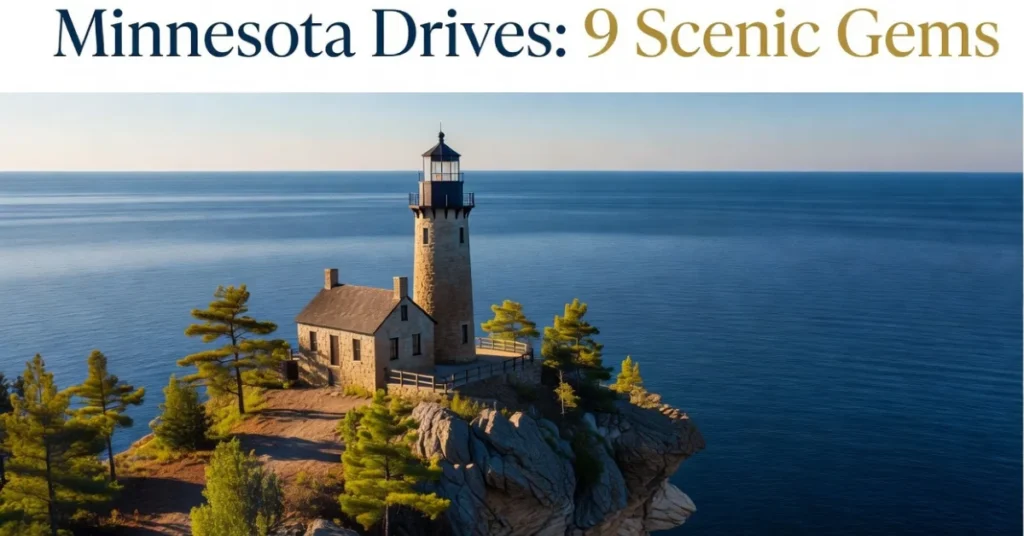
Duluth sits at the base of it, a port city with a working harbor, a converted grain elevator turned brewery district, and views that make you forget you’re still in the Midwest. From there, Highway 61 runs north through Two Harbors, Gooseberry Falls, and Split Rock Lighthouse, one of the most photographed lighthouses in the country.
Anyone who has actually stood at Split Rock at sunset understands why it draws photographers from outside the state. The lighthouse sits on a sheer cliff above water so cold it stays under 50°F even in July, so swimming isn’t really the point. The view is.
Grand Marais, further north, keeps a small-town feel that resists the resort-town treatment. Art galleries outnumber chain stores, and the harbor still functions as a working fishing port, not just a backdrop.
Boundary Waters Canoe Area Wilderness
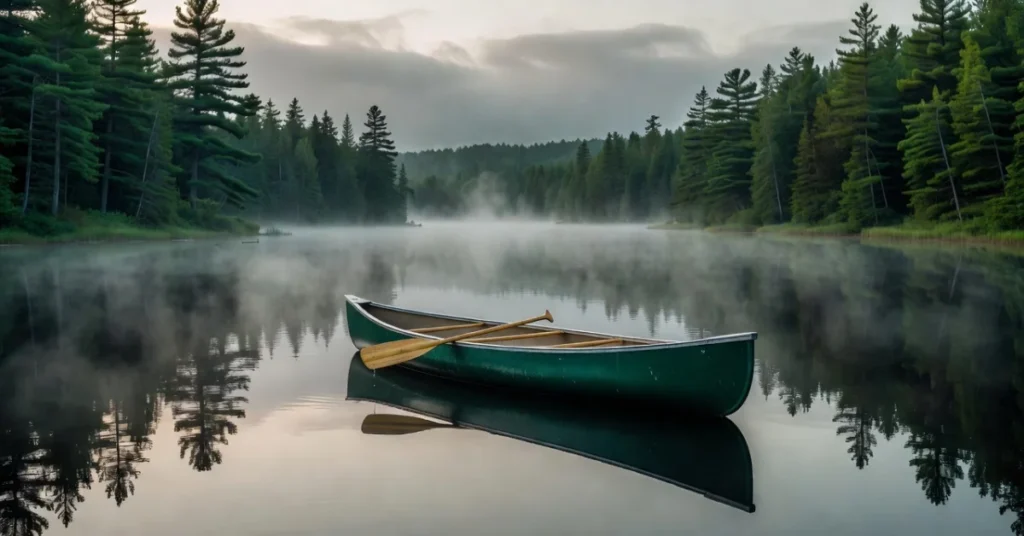
This is where Minnesota stops being subtle about its wilderness credentials, and it’s one of the few travel destinations in Minnesota that feels genuinely remote. The Boundary Waters Canoe Area Wilderness sits along the Canadian border, and it’s entirely roadless — you get around by canoe, full stop.
Entry requires a permit through the Superior National Forest system, and demand during peak summer months routinely outpaces supply. That’s not a bug. It’s what keeps the interior lakes quiet enough that you can hear a loon call from a mile off.
Trips here range from a single overnight paddle to two-week expeditions deep into the interior. Outfitters in Ely and Grand Marais rent gear and canoes, and several run guided trips for anyone who doesn’t want to plan a wilderness route solo. Bring a proper map. Cell service disappears fast once you’re past the entry points, and that’s part of the appeal.
Brainerd Lakes and Gull Lake Resort Country
Cabin culture runs deep in central Minnesota, and the Brainerd Lakes area is where that culture lives. Gull Lake alone stretches across nearly 10,000 acres and forms the heart of an eight-lake chain that connects Brainerd, Baxter, and the small resort town of Nisswa by boat.
Anyone who has spent a weekend at a Gull Lake resort knows the routine: mornings on the dock, afternoons on the golf course, and evenings at a lakeside supper club watching the sun go down. Grand View Lodge and Cragun’s have anchored the area’s resort scene for decades, offering everything from spa services to full golf courses on-site.
Nisswa’s downtown adds a walkable layer to the lake-and-cabin routine, with breweries like Big Axe and Jack Pine Brewery, plus enough boutique shops to fill a rainy afternoon. Winter doesn’t shut this region down either; ice fishing tournaments and snowmobile trails keep the lakes busy well past the summer crowds.
Preston and the Bluff Country Caves
South of Lanesboro, the town of Preston sits at the edge of Minnesota’s Amish country, where horse-drawn buggies still share the road with cars along quiet rural routes. It’s also the gateway to two show caves, Niagara Cave and Mystery Cave, both open for guided tours through the limestone bluffs that define this stretch of the state.
Mystery Cave sits inside Forestville/Mystery Cave State Park, making it easy to pair a cave tour with a hike or a stop at the restored 1899 Forestville townsite nearby. This corner of the state rarely makes national travel lists, which is exactly why it’s worth the detour.
Voyageurs National Park
Minnesota has exactly one national park, and it’s built around water rather than mountains or canyons. Voyageurs National Park sits along the Canadian border near International Falls, named for the French-Canadian fur traders who paddled these same lakes centuries ago.
The park recorded 206,326 visitors in 2025, a modest number compared to the crowds at parks like Yellowstone, and that’s exactly why it’s worth the drive. You won’t be fighting for a parking spot.
Access runs through International Falls, Kabetogama Lake, Ash River, or Crane Lake, and the main body of the park is only reachable by boat, or in winter by snowmobile, ski, or snowshoe. Rangers run guided boat tours out of the Rainy Lake Visitor Center through summer, and the park’s certified Dark Sky status means clear nights can deliver a real shot at seeing the Northern Lights.
Itasca State Park and the Mississippi Headwaters
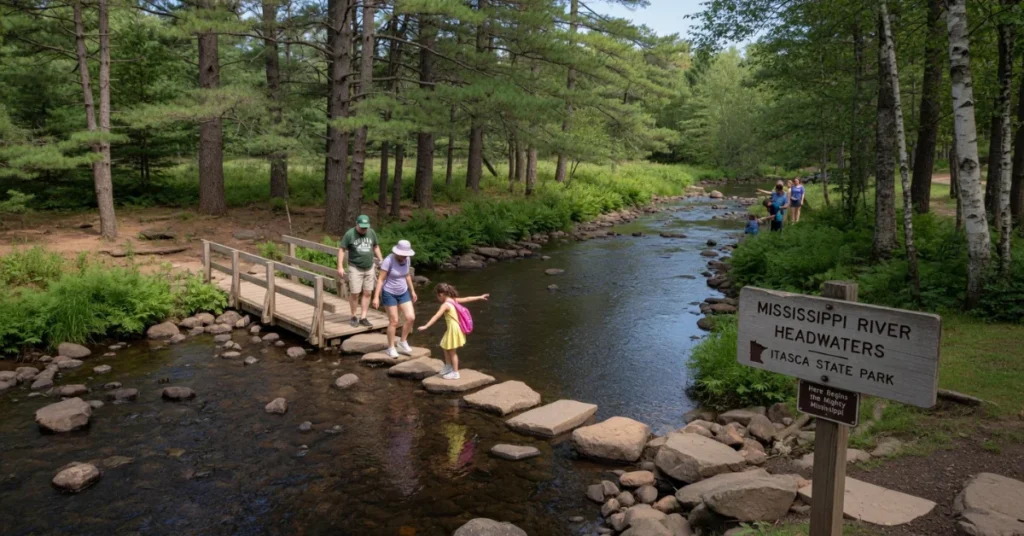
There’s something genuinely strange about standing at the exact spot where the Mississippi River begins: a stream narrow enough to walk across, at the north end of Lake Itasca. That’s Itasca State Park, one of the oldest in the state park system, and it draws visitors who want a landmark that photographs well and a hiking network that doesn’t require wilderness gear.
Old-growth pine stands here predate European settlement, and the park’s Wilderness Drive loops past several of them. Beyond the headwaters photo-op, there’s swimming, biking, and a historic lodge that’s operated for decades. It’s the kind of place families return to across generations rather than visiting once.
Small-Town Minnesota: Lanesboro, Red Wing, and New Ulm
Not every worthwhile stop is a natural landmark. Southern Minnesota is dotted with small towns that built their draw on history and craft rather than scenery alone.
Lanesboro sits in bluff country near the Iowa border, connected to a network of bike trails carved from old rail lines. Red Wing built its name on pottery and boots, with a downtown that still runs on that manufacturing heritage. New Ulm carries German roots hard enough to have its own glockenspiel and Schell’s Brewery, one of the oldest family-owned breweries in the country.
These towns work best as stops along a longer route rather than standalone destinations. Pair Lanesboro with a Root River bike ride, or Red Wing with a Mississippi River drive south from the Twin Cities.
What the Research Shows
Minnesota’s tourism sector isn’t standing still, and the data backs that up. Visitors generated $8.3 billion in total personal income and supported 182,435 jobs in 2024, which comes out to roughly 4.6% of every job in the state tied to the visitor economy. On the recreation side specifically, the outdoor recreation industry alone generated $13.5 billion in 2023 and supported 96,000 jobs.
That said, the trend isn’t purely upward. State officials confirmed 2025 marked a fifth straight year of visitor growth, but the pace slowed, and early 2026 leisure and hospitality employment ran about 1.5% below the same period in 2025. Analysts point to broader economic pressure on discretionary travel spending rather than any drop in interest in the destinations themselves. The lakes and trails aren’t getting less popular, but tighter budgets are shaping how often people go.
Best Time to Visit These Travel Destinations in Minnesota
Late May through September covers the window when lake activities, hiking trails, and most seasonal attractions are fully open, with June generally considered the sweet spot for weather and lower humidity. Winter isn’t a write-off, though. Cross-country skiing, ice fishing, dog sledding, and Saint Paul’s long-running Winter Carnival turn the cold into its own kind of draw for travelers who don’t mind layering up.
Safety Essentials Most Guides Skip
A few practical notes before you head out. Lake Superior’s water stays under 50°F even in July, so swimming windows are short and cold-shock risk is real for anyone jumping in without easing in first. The Boundary Waters and North Shore wilderness areas call for real weather preparation, since conditions shift fast and hypothermia risk doesn’t disappear just because it’s summer.
Bear activity is a normal part of camping in the northern forests, so food storage rules at Boundary Waters entry points exist for a reason, not as a formality. Minneapolis and St. Paul are safe for visitors overall, though like any major metro, it pays to stay aware in unfamiliar neighborhoods after dark rather than wandering without a plan.
Getting Around
Outside the Twin Cities, a rental car isn’t optional — it’s the only practical way to reach state parks, lakeshore towns, and anything north of Duluth. Public transit inside Minneapolis and St. Paul covers the basics well, but once you’re heading toward the North Shore or the Boundary Waters, distances stretch out fast and services thin out with them.
Conclusion
Travel destinations in Minnesota rarely show up on the shortlist of American must-sees, and that’s arguably the appeal. You get world-class wilderness paddling, a national park most Americans couldn’t name, a Great Lakes coastline that photographs like the Pacific Northwest, and small towns still running on the industries that built them, all without the crowds that come with more famous stops. Pick a region, block off a few days, and the state does the rest.
This article discusses general travel planning information; conditions, hours, and permit requirements change seasonally, so confirm details with official park and tourism sources before you go.
FAQs
What are the top travel destinations in Minnesota for a first-time visitor?
Minneapolis-St. Paul, the North Shore of Lake Superior, and Itasca State Park cover the widest range of experiences for a first trip: city, coastline, and a genuine landmark all within a few hours of each other.
Do I need a permit to visit the Boundary Waters?
Yes. Entry into the Boundary Waters Canoe Area Wilderness requires a permit through the Superior National Forest, and summer slots fill up well in advance.
Is Minnesota worth visiting in winter?
For travelers who enjoy snow sports, yes. Ice fishing, cross-country skiing, and events like the Saint Paul Winter Carnival make winter its own travel season rather than a dead period.
How many days do I need to see Minnesota’s North Shore?
Three to four days lets you cover Duluth, Split Rock Lighthouse, Gooseberry Falls, and Grand Marais without rushing between stops.
Is a car necessary to explore Minnesota?
Outside the Twin Cities metro, yes. Most of the state’s standout destinations (lakes, state parks, and small towns) aren’t reachable by public transit.