
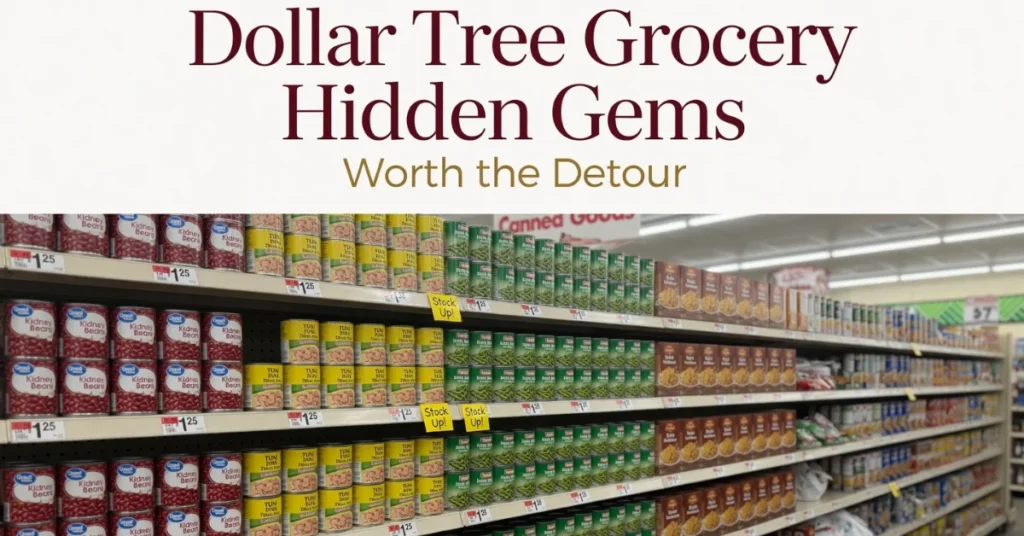
My cart at Dollar Tree last week had dried black beans, canned tuna, a bag of freeze-dried candy, and frozen chicken tenders. Total: under nine dollars. That’s the whole appeal of dollar tree grocery hidden gems: the store isn’t just plastic party supplies and a-dollar-or-two greeting cards anymore. Tucked between the cleaning aisle and the seasonal shelves, there’s a real grocery selection, and a lot of it is worth your time.
Prices at Dollar Tree crept past the original one-dollar promise years ago. Most items now run $1.25 to $5. Even so, shoppers who know where to look keep finding dollar tree grocery hidden gems that undercut the supermarket by a wide margin, especially on pantry staples and freezer items.
Why Dollar Tree Grocery Hidden Gems Are Getting So Much Attention Right Now
Grocery bills haven’t exactly calmed down heading into 2026. Shoppers are stretching every trip further, comparing prices across stores, and trading name brands for whatever gets the job done. That pressure is exactly why dollar tree grocery hidden gems keep popping up on social feeds and budgeting blogs.
Discount retailers have leaned into this. Product assortments at dollar stores have widened, and grocery sections now carry name-brand goods that used to live only at Walmart or Kroger. Shoppers on tight budgets have noticed. So have people who just hate overpaying for pantry basics they’ll use anyway.
There’s also a practical reason the trend has legs. A quick trip to Dollar Tree takes ten minutes, not forty. For anyone juggling work, kids, or both, that convenience matters as much as the price tag.
The Pantry Staples Worth a Second Look
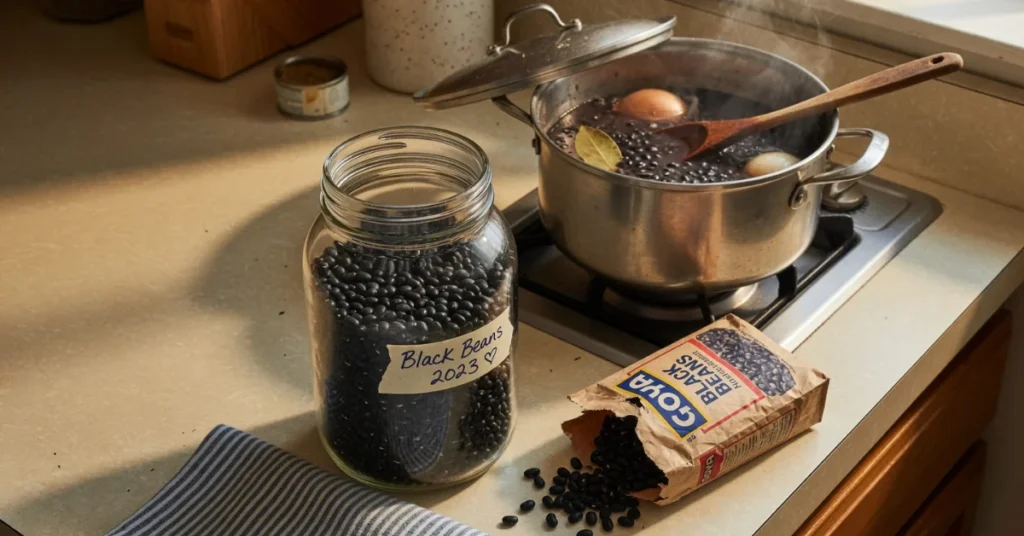
Dried black beans are the find most seasoned shoppers mention first. A twelve-ounce bag runs around $1.25 and cooks up into roughly five cups, plenty for chili, soup, or a slow-simmered bean dish. Dried beans cost less per serving than canned, and they store for months without going soft or mushy.
Canned proteins are another quiet win. Chunk light tuna in a five-ounce can and shelf-stable canned chicken both show up at prices well under grocery store shelf tags. Neither one is glamorous, but both turn into a fast dinner with rice, pasta, or a simple salad.
Goya beans deserve a mention too. Black beans, red beans, chickpeas, all in fifteen-and-a-half-ounce cans priced around $1.50. Anyone who cooks regularly knows a stocked bean shelf saves both money and last-minute grocery runs.
Breakfast gets covered as well. Hungry Jack pancake and waffle mix, along with instant hash browns, land around $1.50 a box. Add water, and breakfast for a family of five is done in minutes. Whole grain quick oats, priced near $1.25 for sixteen ounces, round out a genuinely useful breakfast shelf.
Here’s how a handful of these dollar tree grocery hidden gems actually stack up against a typical supermarket shelf tag:
| Item | Dollar Tree Price | Typical Supermarket Price | Approx. Savings |
|---|---|---|---|
| Dried black beans (12 oz) | $1.25 | $2.29 | ~45% |
| Chunk light tuna (5 oz can) | $1.25 | $1.79 | ~30% |
| Goya beans (15.5 oz can) | $1.50 | $2.19 | ~31% |
| Pancake/waffle mix (box) | $1.50 | $3.49 | ~57% |
| Whole grain quick oats (16 oz) | $1.25 | $3.99 | ~69% |
| Frozen chicken tenders (19.5 oz) | $5.00 | $6.49 (25.5 oz, price-per-ounce comparable) | Comparable per ounce |
Supermarket prices above are rough national averages and will vary by region and retailer, so treat this as a general guide rather than a fixed number.
Snacks, Drinks, and the Freezer Aisle Surprises
The freezer case tends to surprise first-time shoppers most. Frozen honey battered chicken tenders, sold in a roughly twenty-ounce bag for around five dollars, land at a price per ounce that holds up against the bigger bags sold at standard supermarkets.
Instant ramen is stocked in multiple flavors and rarely costs more than a dollar a pack, useful for a college dorm or a quick lunch between errands.
Freeze-dried candy has become one of the more talked-about additions. The process turns ordinary gummy or chewy candy into a crisp, almost airy version of itself, and it’s cheap enough at Dollar Tree that kids can try it without a big financial commitment. It’s a small, low-stakes way to try out a food trend that’s picked up serious traction since 2025.
Coffee and drink mixes round things out. Small-format coffee packs and flavored drink mixes sit well under two dollars, handy for stocking a break room or a dorm shelf without a Costco-sized commitment.
Who These Dollar Tree Grocery Hidden Gems Actually Work Best For
Not every shopper needs the same thing from a discount grocery run, and dollar tree grocery hidden gems serve different people in different ways.
Families feeding several mouths benefit from the pantry staples most: beans, oats, canned proteins, and breakfast mixes that stretch across a week of meals. College students and young renters lean toward instant ramen, snacks, and drink mixes that fit a tiny kitchen and a tighter budget. Retirees on fixed incomes often mention the canned goods and shelf-stable proteins as a way to keep grocery spending predictable month to month.
Then there’s the shopper who isn’t broke at all, just tired of paying full price for things that don’t need a brand name attached. Dried beans are dried beans. A can of tuna is a can of tuna. That’s the crowd driving a lot of the recent attention toward dollar tree grocery hidden gems online.
What the Research Shows
Retail analysts tracking 2026 grocery behavior describe a clear pattern: lower- and middle-income households are driving much of the growth in grocery visits this year, and a good share of that traffic is landing at discount and dollar store chains as shoppers manage smaller baskets and more frequent, targeted trips.
Industry surveys have also found that price now outweighs brand loyalty for a majority of grocery shoppers, something that lines up directly with what’s happening on Dollar Tree’s shelves. Detailed analysis of recent earnings reports from major dollar store chains points to steady sales growth in early 2026, driven largely by shoppers actively hunting for deals rather than browsing out of habit.
None of this is surprising to anyone who’s stood in a Dollar Tree checkout line lately and watched a cart full of canned beans, oats, and snack packs roll through.
Two Things Most Roundups Skip: Value Seekers Club and Dollar Tree PLUS
Two details rarely make it into typical hidden-gems roundups, and both matter for how much a shopper actually saves.
The first is Dollar Tree’s Value Seekers Club, a free loyalty program shoppers can join online. Members get earlier notice of in-store specials and rotating promotions, which matters most for anyone chasing a specific pantry item before it sells out.
The second is the Dollar Tree PLUS tier. Not everything on the shelf sits at the classic $1.25 mark anymore. The PLUS section covers items priced higher, often in the $3 to $5 range, and it’s exactly where finds like the frozen chicken tenders and larger grocery packs live. Understanding that distinction explains why some dollar tree grocery hidden gems cost more than a dollar without actually being a bad deal; they’re simply priced against a bigger, name-brand equivalent rather than the dollar-store baseline.
The Catch: What to Watch Out For
Dollar Tree isn’t a full grocery replacement, and it helps to go in with clear eyes.
Stock rotates. An item that’s there one month might vanish the next, so it’s smart to buy a little extra of something you love rather than count on it being restocked. Produce and fresh dairy are basically absent, meaning Dollar Tree works best as a pantry supplement, not a one-stop weekly shop. Package sizes also run smaller than warehouse or big-box stores, so per-unit savings can shrink if you’re feeding a large household.
On the upside, the lower price point means less financial risk if you try something new and don’t love it. And because most of these items are shelf-stable, there’s little pressure to use them up fast.
How to Shop Dollar Tree Smart
A few habits separate shoppers who consistently find dollar tree grocery hidden gems from those who leave empty-handed.
- Check the grocery aisle first, before browsing seasonal or party sections, since stock changes fastest there.
- Compare unit price, not just the sticker price, especially on canned goods and snack packs.
- Buy dried beans, oats, and canned proteins in slightly larger quantities since they store well and rarely go to waste.
- Ask a store associate about restock days if a favorite item disappears.
- Pair Dollar Tree pantry staples with fresh produce from a regular grocery trip for a balanced weekly plan.
Anyone who has managed a household grocery budget for more than a few months knows that combining stores, rather than picking just one, tends to produce the biggest savings over time.
Shoppers who prefer to plan ahead rather than browse in person can check the Dollar Tree app or website before heading out. Store-level inventory isn’t always listed online, but weekly ad previews and new-arrival roundups give a rough sense of what’s likely on shelves. That small step saves a wasted trip for anyone driving across town chasing a specific item.
Not every household shops the same way, either. A parent stocking a family pantry might grab several bags of beans and a case of canned tuna in one visit, while a single shopper or a retiree on a fixed income tends to buy smaller amounts more often, timing trips around a paycheck or a benefits deposit. Both approaches work. The trick is matching the shopping pattern to the household, not forcing one method onto everyone.
Conclusion
Grocery budgets aren’t getting any easier to manage heading further into 2026, and that’s exactly why dollar tree grocery hidden gems keep earning a second look from shoppers who used to walk right past the food aisle. The beans, canned proteins, breakfast mixes, and freezer finds sitting on those shelves won’t replace a full weekly shop, but paired with a regular grocery run, they can quietly cut a real chunk off the monthly bill. Worth the ten-minute detour? For most budget-conscious households, it’s starting to look that way.
FAQs
Are Dollar Tree groceries actually cheaper than the supermarket?
On many pantry staples, yes. Dried beans, canned proteins, and breakfast mixes routinely beat standard supermarket shelf prices, though package sizes run smaller.
Is Dollar Tree food safe to eat?
Dollar Tree sources many items from established brands like Goya, Hungry Jack, Bumble Bee, and Tyson, the same manufacturers that supply major grocery chains.
Why doesn’t Dollar Tree carry fresh produce or dairy?
Most Dollar Tree locations aren’t set up with refrigeration or supply chains built for perishables, so the grocery section leans almost entirely shelf-stable.
Do the freeze-dried candy and snack trends actually taste good?
Reviews are mixed, but the format has picked up a loyal following since 2025, and the low price makes it an easy trend to test without much financial commitment.
How often does Dollar Tree grocery stock turn over?
Fairly often. Popular pantry items can sell out and take weeks to return, so it’s worth grabbing extras of anything a household relies on regularly.