

Ask ten travelers where to go next and you’ll get ten different answers, half of them delivered with real conviction. That’s the nature of debate travel destinations: the same city that leaves one person breathless leaves another checking flight times home. Bali, Dubai, Venice, Iceland — these places don’t just get visited, they get argued about, dissected in group chats, and defended like sports teams.
Standing in the middle of Venice’s Piazza San Marco during peak season, you instantly understand why the arguments never stop. The canals are stunning. The crowds are relentless. Both things are true at once, and that tension is exactly what fuels every travel debate worth having.
What Makes a Destination Debatable in the First Place
Not every place sparks disagreement. Nobody’s fighting over whether a quiet lakeside cabin is worth a weekend. Debate travel destinations tend to share a few traits: they’re expensive enough to raise stakes, famous enough to carry expectations, and crowded enough that the experience shifts depending on when you show up.
Take Dubai. Some travelers land there and fall for the scale of it — the skyline, the service, the sense that nothing is impossible with enough budget. Others feel like they’ve walked into a mall with better weather, missing the texture and history found elsewhere in the region. Neither view is wrong. They’re just weighing different things.
Iceland tells a similar story. Anyone who has watched the Northern Lights ripple over a black sand beach knows the pull is real. But locals here will also tell you the Blue Lagoon now feels more like a theme park queue than a natural hot spring, and that shift in feel is precisely what turns a bucket-list spot into a debate travel destinations staple.
The Comparison That Won’t Die: Planned Comfort vs Total Freedom
A second layer to this argument has nothing to do with geography and everything to do with style. Some travelers want an itinerary locked down to the hour. Others want to land with a backpack and figure it out.

This split shapes which destinations even enter the conversation. A family with young kids debating Orlando versus a national park road trip is really debating structure versus spontaneity. A couple weighing Bali against the Maldives is often debating culture and affordability against pure, quiet luxury.
- Bali supporters point to rich culture, lower costs, and flexible pacing.
- Maldives advocates want overwater villas and minimal decision-making.
- Hawaii fans like staying domestic while still getting tropical scenery.
- Caribbean island-hoppers value variety over any single postcard view.
None of these groups are chasing the same trip, which is exactly why the debate travel destinations conversation keeps circling without a clean winner.
Debate Travel Destinations at a Glance
| Destination | Known For | Common Criticism | Best Suited For |
|---|---|---|---|
| Venice, Italy | Canals, history, romance | Overcrowding, new day-tripper fees | Culture lovers, off-peak travelers |
| Bali, Indonesia | Affordability, culture, scenery | Traffic, rising tourist levies | Budget-conscious, culture-focused travelers |
| Dubai, UAE | Luxury, modern skyline | High cost, feels artificial to some | Luxury seekers, short indulgent breaks |
| Iceland | Nature, Northern Lights | Commercialized hot spots, cold logistics | Nature lovers, adventure travelers |
| Maldives | Privacy, overwater villas | Very high cost, limited activity range | Honeymooners, luxury relaxation |
| Bangkok, Thailand | Food, nightlife, affordability | New drinking restrictions, heavy tourism | First-timers, budget explorers |
A table like this won’t settle the argument, but it makes the trade-offs easier to see at a glance than a paragraph ever could.
New 2026 Tourist Taxes Are Reshaping the Debate
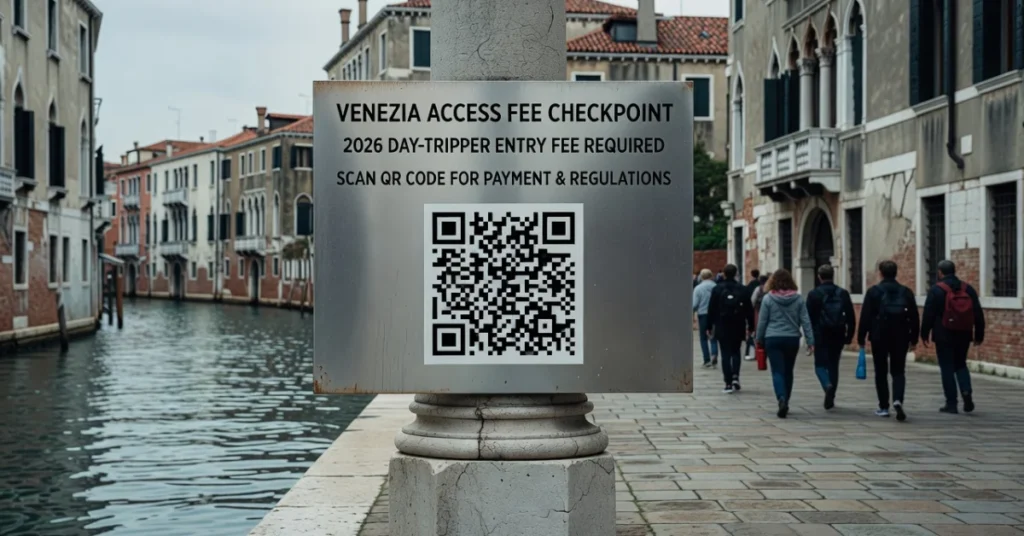
This year gave the debate a fresh, very concrete edge: money. Venice’s day-tripper entry fee is not only back for 2026, it now covers 60 dates between April 3 and July 26, up from 54 dates the year before, and applies only during daylight hours when crowds peak. The fee generated roughly €2.4 million in its first full year, and city officials have floated pushing it as high as €30 to €50 depending on demand.
Bali’s response has followed a similar path. The island’s international visitor levy, about $10 per person, is now enforced more consistently in 2026 as part of a wider sustainability push that includes digital visitor tracking at entry points. Anyone who has managed group travel to the island lately knows the paperwork step is no longer optional or easy to skip.
Neither city stands alone here. Barcelona, Amsterdam, Edinburgh, parts of Japan, and Hawaii have all introduced or raised tourist fees within the past year, turning “is this destination worth the cost” from a vague complaint into a line item travelers can actually calculate before booking.
Bangkok adds an odd twist to the same story. It topped the list of most-booked destinations heading into 2026, yet Thailand simultaneously rolled out stricter daytime drinking restrictions, catching some nightlife-focused travelers off guard. That mismatch between a destination’s reputation and its current reality is exactly the kind of detail that keeps debate travel destinations threads active rather than settled.
What the Research Shows
Beyond policy shifts, broader booking data backs up how much destination choice is moving around this year. Search and booking activity for flights and hotels rose by roughly 9 percent compared to the previous year, even as international airfare dropped by about 10 percent, making longer trips noticeably more accessible.
That affordability shift is changing which cities dominate the debate. Eastern European capitals — Prague, Sofia, Krakow, and Budapest among them — now account for a large share of the fastest-growing search interest, driven by cultural appeal and lower costs compared to Western Europe’s usual favorites. Anyone who has tracked booking trends over the past few seasons knows this kind of movement rarely happens quietly; it reshuffles which destinations travelers argue about next.
Where the Arguments Actually Happen
Online communities have become the unofficial courtroom for this whole topic. Weekly threads on major travel forums regularly host structured debates: Rome versus Florence, a resort week versus a road trip, a first-timer’s Paris versus a repeat visitor’s hidden-gem alternative.
What’s interesting is how specific the advice gets. Someone who has been to both Lisbon and Porto will lay out exact trade-offs — walkability, food scene, day-trip options — rather than a vague “just go with your gut.” That level of detail is what separates a genuine debate travel destinations discussion from a simple popularity contest.
Solo travelers add another dimension entirely. Their version of the debate weighs safety and social ease over scenery alone, which is why cities that top general “best places” lists don’t always top solo-friendly lists.
Who Should Actually Care About This Debate
This isn’t just internet noise for travel bloggers to argue about. Anyone planning a trip with a fixed budget or limited vacation days benefits from understanding why these arguments exist.
First-time international travelers get the most value here, since knowing why a destination splits opinion helps set realistic expectations before booking.
Families benefit from understanding the planned-versus-spontaneous divide, since a mismatch between parenting style and trip structure ruins more vacations than bad weather ever does.
Budget-conscious travelers should pay close attention to shifting search trends and new entry fees, since destinations gaining popularity for value reasons often offer a better experience-to-cost ratio than the usual headline cities.
Repeat visitors to popular spots are the group most likely to hit overtourism firsthand, and they’re often the loudest voices in any debate travel destinations thread for good reason.
How to Pick a Side Without Regretting It
There’s no universal winner in this argument, and that’s fine. A few practical filters help narrow things down fast:
- Decide whether structure or spontaneity actually matches how you relax.
- Check current crowd, seasonal, and entry-fee data before locking in dates.
- Weigh cost against what specifically excites you — culture, luxury, scenery, or food.
- Read recent traveler accounts, not just five-year-old reviews.
- Accept that the “best” answer changes depending on who’s asking.
Anyone who has planned more than one international trip knows the destination that felt perfect for a friend can fall flat for you, and that’s the whole reason this topic refuses to settle.
Conclusion
Debate travel destinations will keep dividing opinions for as long as people travel differently and want different things from a trip. Venice’s charm won’t convince the traveler chasing solitude, and a quiet mountain town won’t satisfy someone craving nightlife and energy. New entry fees in Venice and Bali only sharpen the argument further, turning vague complaints into real numbers travelers now factor into their plans. That’s not a flaw in the system, it’s proof that travel is personal. The most useful move isn’t picking a side in someone else’s argument; it’s figuring out which side actually fits your own next trip in 2026.
FAQs
Q: Why do some travel destinations get argued about more than others?
High cost, heavy crowds, and strong branding usually combine to create polarizing experiences, which is what turns a place into one of the more talked-about debate travel destinations.
Q: Is Bali or the Maldives the better tropical choice?
It depends on priorities. Bali offers culture and lower costs, while the Maldives leans toward pure luxury and privacy — neither is objectively superior.
Q: How much is Venice’s tourist entry fee in 2026?
The fee runs €5 in advance or €10 last-minute, applies on 60 specific dates between April 3 and July 26, and covers daylight hours only.
Q: Are Eastern European cities worth the hype compared to Western Europe?
Growing interest suggests strong value for cost, particularly in cities like Prague and Krakow, though personal taste in pace and culture still matters most.
Q: What’s the best way to settle a travel debate with a partner or friend?
List out what each person actually wants from the trip — pace, budget, activities — then match a destination to the overlap rather than to either person’s first pick.