

Somewhere between the Eiffel Tower selfie and the fourth espresso of the morning, most travelers realize the same thing: picking European cities to visit isn’t really about ticking off landmarks. It’s about figuring out which streets you want to get lost on. And in 2026, with record crowds hitting the usual suspects and new fees showing up at city gates, that choice matters more than it used to.
Europe pulled in an estimated 809.6 million international arrivals in 2025, making it the most-visited region on the planet by a wide margin. This was an increase of 4.9% from 2024, and 8.5% higher than pre-pandemic 2019 numbers. Big cities are busier. Flights are pricier in July. But the upside? More connectivity means smaller, quieter cities are finally easy to reach too.
What Makes These European Cities to Visit Worth the Trip in 2026
Not every European city deserves a spot on your itinerary, and that’s fine to say out loud. Some places genuinely earn the hype. Others coast on old reputations while the real magic happens two train stops away.
The cities worth your time in 2026 tend to share three things: walkable centers, food that doesn’t require a reservation made three months out, and something happening that isn’t just for tourists. Locals here will tell you the difference between a city built for visitors and a city that simply lets visitors in.
Take Kraków. Wawel Castle and the Cloth Hall pull the crowds, sure, but the real draw is a Jewish Quarter that still feels lived-in rather than staged. Or Cologne, where the cathedral gets the postcards while the Rhine promenade, filled with flowers and reopened cafés come spring, does the actual charming.
EU tourist accommodation logged nearly 3.1 billion overnight stays in 2025, a 2.2% rise over the previous year. That’s not a fluke. It’s a sign that people are staying longer instead of racing through a checklist, which changes how you should plan too.
Best Time of Year to Plan Your European City Break
Timing decides more of your trip than the destination does. Show up to Barcelona in August and you’ll fight for beach towels and restaurant tables. Show up in April or late September and the same city feels like it belongs to you.
Here’s the general rhythm that actually holds up across the continent:
- Spring (April–June): Mild weather, blooming parks, fewer lines. Best for Cologne, Prague, and Lisbon.
- Summer (July–August): Peak everything — peak heat, peak prices, peak crowds. Worth it only for festivals or coastal cities like Malta.
- Autumn (September–November): The sweet spot. Reykjavík turns cinematic. Kraków’s cafés get cozy. Crowds thin out fast.
- Winter (December–February): Christmas markets, northern lights chasing, and the cheapest flights of the year.
One thing worth flagging before you book: ETIAS, Europe’s new pre-travel screening for visa-free visitors, is expected to roll out in late 2026. Anyone planning a trip should keep an eye on that timeline before finalizing flights.
Top European Cities to Visit by Region
Splitting the continent up by region makes the decision less overwhelming, so here’s a rough map to work from.
Western Europe: Brussels is having a real moment. The Kanal-Centre Pompidou museum opens there in late 2026, and the city’s shaking off its old “just a Eurostar stopover” reputation. Add in Grand Place, the Atomium, and legendary waffles from Maison Dandoy, and it’s earned its spot.
Southern Europe: Barcelona still tops most rankings for good reason — food, weather, architecture, and an energy that doesn’t quit. Seville and its blend of flamenco culture and Moorish architecture round out the region nicely.
Eastern Europe: Kraków and Warsaw offer history without the price tag of Western capitals. Warsaw in particular has been getting attention for its nightlife and food scene rather than just its wartime history.
Northern Europe: Reykjavík in autumn feels like a different city than Reykjavík in July. Fewer tour buses, golden light, and easy day trips to the Blue Lagoon.
Anyone building a first European trip around these European cities to visit should pick two regions max. Hopping between four countries in ten days sounds efficient on paper. In practice, it just means spending half your trip in transit.
New Tourist Taxes and Entry Fees You Need to Budget For in 2026
Here’s something a lot of older travel guides won’t tell you: the cost of visiting Europe’s biggest names just changed, and not in a small way. Several cities introduced or raised tourist charges heading into 2026, and skipping this section could mean an unpleasant surprise at check-in.
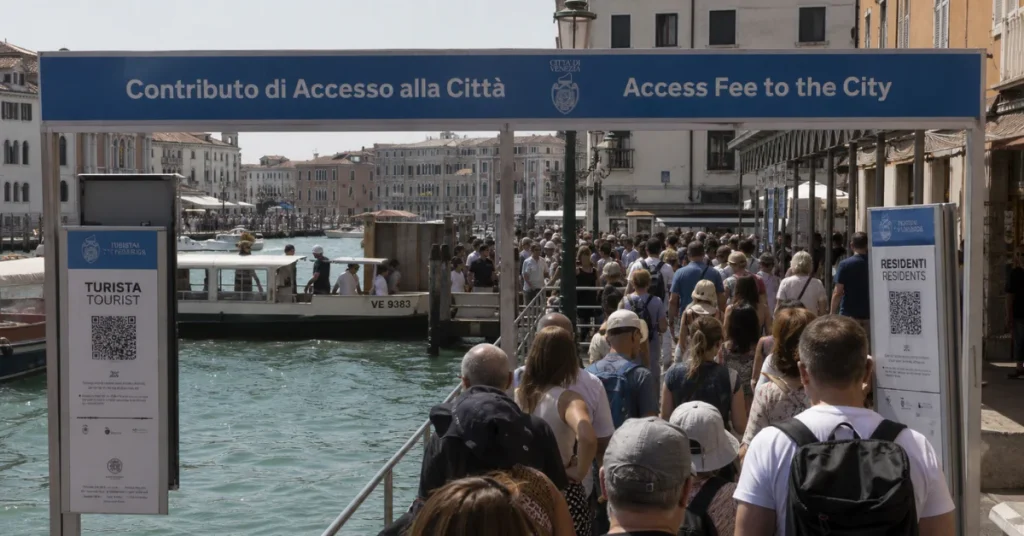
| City | Fee Type | 2026 Rate | Who Pays |
|---|---|---|---|
| Venice | Day-tripper entry fee | €5 (booked 4+ days ahead) / €10 (last-minute) | Day visitors aged 14+, on 60 designated peak days between April and July |
| Barcelona | Hotel/rental tourist tax | Roughly €10–15 per night, depending on category | All overnight guests; the combined regional and city charge has effectively doubled |
| Amsterdam | Hotel room tax | 12.5% of the room rate | All hotel guests |
| Edinburgh | Visitor levy | 5% added to accommodation bookings, from 24 July 2026 | Guests staying up to 7 consecutive nights |
Venice’s fee only applies to day-trippers. Anyone staying overnight anywhere in the Venetian municipal area is exempt, since that cost is already folded into the standard accommodation tax. Those planning a same-day visit during peak spring or early-summer weekends should book the €5 ticket in advance rather than risk paying double at the gate.
Barcelona’s case deserves its own mention because the increase is steep. The municipal surcharge there is set to keep climbing by €1 a year until it caps in 2029, and for a couple staying three nights, tourist tax alone can now run past €60. That’s a cost that barely registered on most people’s radar back in 2019.
None of this should talk anyone out of visiting these cities. It just means the “quick weekend in Barcelona” budget from a few years ago needs an honest update before you book anything.
Budget Breakdown — What a City Break Really Costs
Money talk matters here too, because prices swing wildly depending on which city you land in, even before the new taxes above get added on top.
| City | Daily Budget (mid-range) | Notes |
|---|---|---|
| Barcelona / Rome | €120–180 | Add ~€10–15/night in tourist tax |
| Kraków / Warsaw | €70–100 | Lowest cost-to-experience ratio in Western/Central Europe |
| Brussels / Reykjavík | €150–220 | Higher accommodation costs drive this up |
| Amsterdam | €130–190 | Plus 12.5% room tax on top of nightly rate |
A typical breakdown at budget-friendly city breaks looks like this: 40% accommodation, 30% food, 20% transport and attractions, 10% left as a buffer for the gelato stand you didn’t plan for, or the tourist tax you forgot to check. That last category always gets used one way or another.
Hidden Gems vs Classic European Cities to Visit
There’s a real tension right now between the cities everyone already knows and the ones quietly building a reputation. Both deserve consideration, just for different reasons.
Classic picks like Paris, Rome, and Barcelona deliver because the infrastructure works. Transport is easy, English is widely spoken, and there’s zero guesswork involved in finding a good meal. That reliability is worth something, especially for a first trip abroad, even with the added taxes now attached to some of them.
But the underrated cities are where the stories come from. Cologne gets written off because of its 1960s brutalist rebuilding after WWII bombing, yet the few historic buildings that survived, paired with a genuinely lively festival calendar, make it worth a weekend. Belgrade is picking up steam too, known now for kebabs, fruit brandy, and floating riverside clubs rather than its Cold War-era image.
Anyone weighing hidden gems against European cities to visit that are already famous should honestly just do both eventually. Start with a classic to build confidence, then branch into the quieter ones once you know your own travel pace, and your own budget tolerance.
What the Research Shows
Detailed analysis of 2025 and 2026 tourism data points to a clear pattern: France remains the world’s most-visited country, pulling in over 100 million international visitors in 2024, with Spain trailing behind at roughly 85.1 million. Southern and Mediterranean destinations continue to absorb the largest share of visitors overall, which tracks with what most seasoned travelers already suspected.
Research into booking patterns also shows a shift toward longer stays and repeat visits to secondary cities rather than one-and-done trips to capitals. Travelers aren’t just chasing landmarks anymore. They’re chasing a feeling, and that feeling tends to live in the quieter neighborhoods, not the ones printed on postcards.
When examining this closely, the biggest change from even three or four years ago isn’t just where people go, it’s how much friction cities are willing to add at the door. Entry fees, doubled hotel taxes, and visitor levies are becoming standard tools for managing crowds rather than rare exceptions, and that’s reshaping how people budget for European cities to visit as a whole.
Practical Tips for First-Time Visitors
A few things that trip people up on their first European city break, and how to sidestep them:
- Book train tickets in advance for popular routes (Paris–Barcelona, Rome–Florence). Walk-up fares can be triple the advance price.
- Skip the airport currency exchange. Rates there are almost always worse than a local ATM.
- Learn five words of the local language. “Hello,” “thank you,” and “the bill, please” go a long way.
- Pack for cobblestones, not sidewalks. Comfortable shoes matter more than anything else in your bag.
- Check tourist taxes and entry fees before booking, not after. A city that looked affordable last year might carry an extra €60–100 in charges now.
- Check public holidays before you go. Half of Rome shuts down in August; half of Barcelona closes for local festivals you won’t see coming.
Mobile-first travelers should also grab offline maps before landing. Data roaming across borders still catches people off guard, even with EU roaming rules in place.
Choosing the Right City for Your Travel Style
Not everyone wants the same trip, obviously. Solo travelers tend to do best in cities with strong public transport and a buzzing café culture, think Lisbon or Prague, where it’s easy to strike up conversation without feeling exposed. Families lean toward cities with green space and shorter walking distances between sights, which points toward Vienna or Copenhagen.
Couples chasing something romantic keep coming back to smaller cities over capitals. Bruges, Verona, and parts of the Amalfi Coast get mentioned constantly by people who’ve actually been, not just travel bloggers chasing clicks. Anyone traveling on a shoestring budget should lean Eastern European first. The value-to-experience ratio in Kraków or Budapest still beats most of Western Europe by a wide margin, even accounting for the new fees showing up elsewhere on the continent.
Conclusion
Picking between European cities to visit in 2026 really comes down to what kind of trip you’re after; a fast-paced classic capital, a slower cultural stopover, or a quieter city nobody’s ruined yet with overtourism. The data backs up what frequent travelers already sense: crowds are growing, entry fees and tourist taxes are becoming the norm rather than the exception, and the appetite for cities offering something real instead of just a photo op keeps growing alongside both. Whichever list you build, book flexible dates where you can, check the new tax rules before you commit to a hotel, travel in shoulder season if possible, and leave room in the itinerary for the afternoon you didn’t plan. That’s usually the one you remember.

FAQs
What are the safest European cities to visit right now?
Most major Western and Northern European cities remain very safe for tourists. Standard precautions around pickpocketing in crowded tourist zones (Barcelona, Rome, Paris) still apply.
Which European cities to visit are best on a tight budget?
Kraków, Warsaw, Budapest, and Belgrade consistently offer the lowest daily costs without sacrificing much in the way of culture or food quality, and they’ve largely avoided the steep new tourist taxes hitting Western Europe.
Do I have to pay a tourist tax everywhere in Europe?
No. Many cities still don’t charge one. But Venice, Barcelona, Amsterdam, and Edinburgh have all introduced or increased fees for 2026, so it’s worth checking each destination individually before booking.
How many days should I spend in each city?
Three to four days per city is the general sweet spot. It’s enough time to see the highlights without feeling rushed, and short enough to fit two or three cities into a two-week trip.
Do I need ETIAS to visit Europe in 2026?
ETIAS is expected to launch in late 2026 for visa-free visitors from eligible countries. It’s worth checking the official timeline close to your travel dates since it hasn’t fully rolled out yet.