
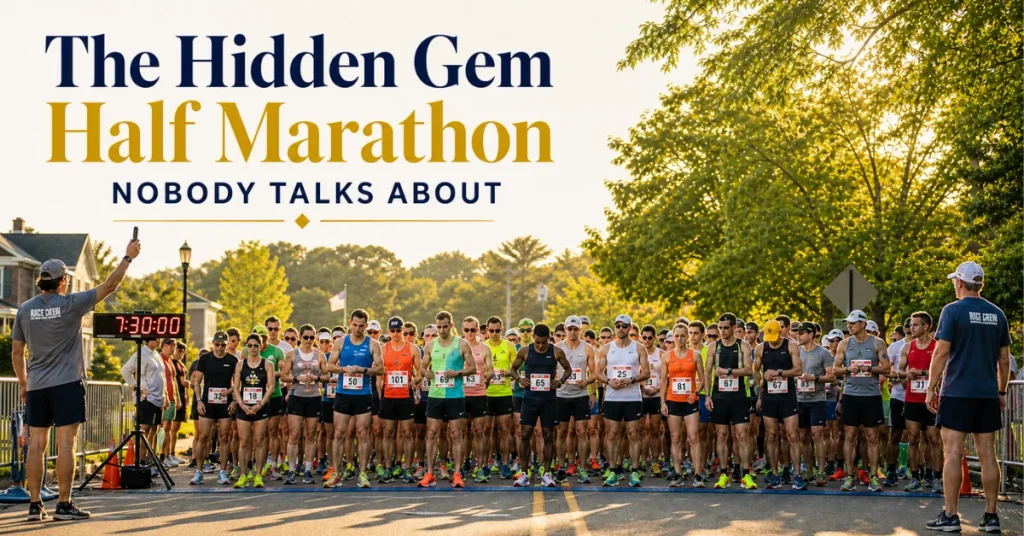
Most runners chase the big names. Chicago. New York. Berlin. But ask anyone who’s run both a major and a small-town 13.1, and they’ll tell you the real magic often happens somewhere quieter. A hidden gem half marathon is exactly that — a smaller, lesser-known race that delivers a better course, a friendlier crowd, and a finish line that actually feels personal, without the six-figure entry list or the two-year lottery wait.
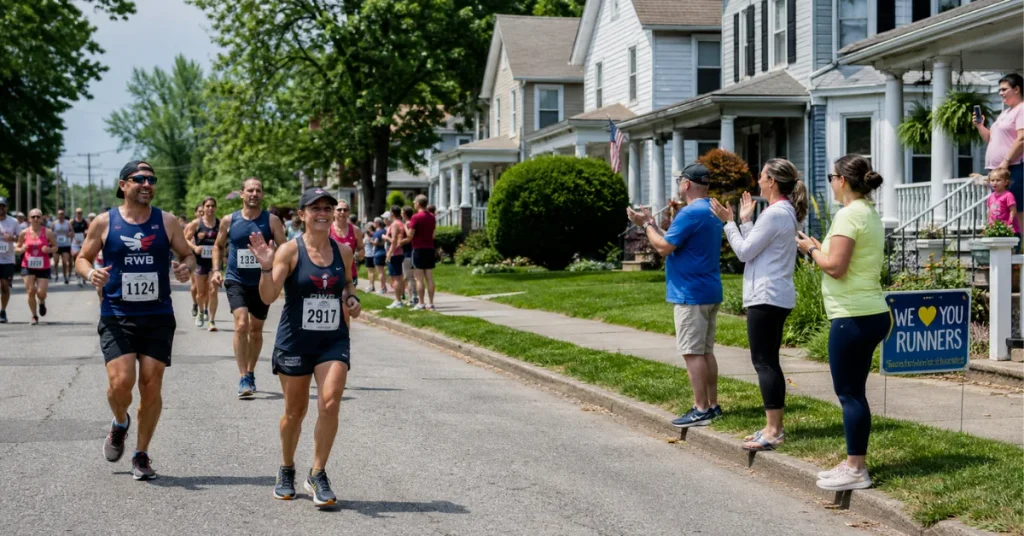
Standing at the start line of one of these races, you instantly understand why so many runners quietly guard the secret. There’s no shoulder-to-shoulder shuffle for the first mile, no corral chaos, just open road and neighbors cheering from their porches.
What Makes a Hidden Gem Half Marathon Different
Not every small race qualifies. A true hidden gem half marathon usually shares a few traits: limited fields, often under a few thousand runners, a course that showcases something the region is actually proud of, and organizers who treat every finisher like they matter, because at that size, they can.
Flossmoor, Illinois, offers one of the clearer real-world examples. The Hidden Gem Half Marathon there has been named the Chicago Area Runners Association’s Race of the Year three times in four years, and its 2026 edition sold out in under nine hours after opening at midnight on April Fool’s Day. It’s a road race through six neighborhoods of a leafy Chicago suburb, timed deliberately as a tune-up for the Chicago Marathon a month later, and just one of thousands of half marathon events now held across the US each year.
Big-Name Race vs. Hidden Gem Half Marathon
| Factor | Major City Half Marathon | Hidden Gem Half Marathon |
|---|---|---|
| Field size | 10,000 to 50,000+ runners | Typically 500 to 4,000 runners |
| Entry fee | $100 to $200+ | Often $30 to $90, sometimes under $15 |
| Registration | Lottery or fast sellout months ahead | Open registration, or sells out in hours to days |
| Aid stations | Heavy support, multiple per mile | Fewer, sometimes runner-supplemented |
| Course feel | Crowded first miles, weaving required | Open road from the start |
| Atmosphere | Big production, less personal | Local crowds, neighbors cheering |
| BQ eligibility | Usually certified | Varies, check before relying on it |
Real Hidden Gem Half Marathons Worth Knowing
A few genuinely stand out beyond Flossmoor, based on verified race data and runner reviews:
- Salina Crossroads Half Marathon (Salina, KS): a USATF-certified, mostly flat course through local landmarks, with 2026 entry fees starting at just $5 before rising to $13. It’s earned a reputation as one of the best-value small races in the country.
- Mohawk Hudson River Half Marathon (Schenectady to Albany, NY): a flat, point-to-point course along the river with around 3,000 runners, popular with serious runners chasing a personal record during peak fall foliage.
- Bayshore Half Marathon (Traverse City, MI): a Memorial Day weekend race along Grand Traverse Bay on Lake Michigan, consistently praised for its scenery and low-key vibe.
These races confirm the same pattern seen at Flossmoor: strong local reputations, modest entry costs, and course quality that rivals far bigger events.
Why Runners Are Chasing Smaller Races in 2026
The timing isn’t random. Race participation in the US grew roughly 5% per event in 2025, following 8.2% growth the year before, according to RunSignup’s annual RaceTrends data, and that momentum has carried straight into the 2026 calendar. Half marathons specifically have led much of that surge, with finisher counts climbing well into double digits in recent years.
Here’s the catch: growth at the big races means longer waitlists, higher prices, and courses that can feel more like crowd control than a run through a city. Anyone who has trained for months only to spend the first two miles of a major race weaving through walkers knows the frustration. That’s pushing more experienced runners toward exactly the kind of hidden gem half marathon that used to be a locals-only secret.
There’s a loyalty angle too. Data shows only 12% of half marathon participants repeat the same event year over year, one of the lowest repeat rates of any race distance. Small, well-run races buck that trend hard, often building return rates far above the national average because runners genuinely want to come back.
What the Research Shows
Detailed analysis of recent race data reveals a pattern worth paying attention to. Half marathon finishers rose sharply in 2024, and organizers of smaller regional races report that word-of-mouth growth, not advertising, is driving most of their new sign-ups. When examining registration trends closely, mobile-first sign-ups now account for well over half of all race transactions, which has made it easier for niche, small-capacity races to sell out fast once local running clubs start talking about them online.
Industry analysts at Running USA note that this pattern is consistent across the country: participation is strong, and the momentum behind mid-size and small events is real, not a short-term blip.
How to Find a Hidden Gem Half Marathon
Finding a hidden gem half marathon takes a bit more digging than typing “half marathon near me” into a search bar. A few approaches actually work:
- Check regional running club sites (CARA, RRCA-affiliated clubs, and similar organizations often list “Race of the Year” winners)
- Search race directories filtered by field size under 2,000 runners
- Ask local run shops, staff usually know which small races have the best course and support
- Look for races used as official tune-ups for major marathons, since these tend to be well-organized by design
- Scan Instagram and Strava for regional hashtags a few months before race season
Registration timing matters more than most runners expect. Given how fast small-field races like Flossmoor’s have started selling out, signing up within the first day or two of registration opening is now a safer bet than waiting.
Who Should Actually Run One
A hidden gem half marathon isn’t only for veteran racers chasing a personal best in peace. First-timers benefit too, since smaller fields mean less anxiety at the start and more support per runner along the course. Travelers who like combining a race with an actual visit to a place, rather than a flight in and out for a mega-event, tend to prefer this format as well. Locals here will often tell you the race weekend doubles as a genuine community event, with the whole town turning out rather than just the running crowd.
Serious racers chasing a Boston qualifier should note one trade-off: smaller courses aren’t always certified for record-eligible times, so it’s worth checking a race’s certification before betting a BQ attempt on it.
Common Challenges to Know Before You Register
Smaller doesn’t always mean easier. A hidden gem half marathon can sell out faster than a major race precisely because capacity is capped low, so signing up the moment registration opens matters. Course support, like aid stations and medical coverage, can also be leaner than what a 40,000-runner event provides, so first-timers should pack their own hydration plan as a backup. And because many of these races sit outside big metro hubs, travel logistics, hotel availability, and parking need a little extra planning.
Where This Trend Goes From Here
The pattern emerging in 2026 suggests smaller races aren’t a niche curiosity anymore, they’re becoming a real alternative lane within the sport. As major marathons keep tightening lottery odds and raising entry fees, expect more runners to treat a hidden gem half marathon as their primary annual goal race rather than a consolation prize. Race directors who understand this are investing in course quality and community atmosphere instead of trying to scale up, and that’s exactly what keeps a hidden gem a hidden gem.
Conclusion
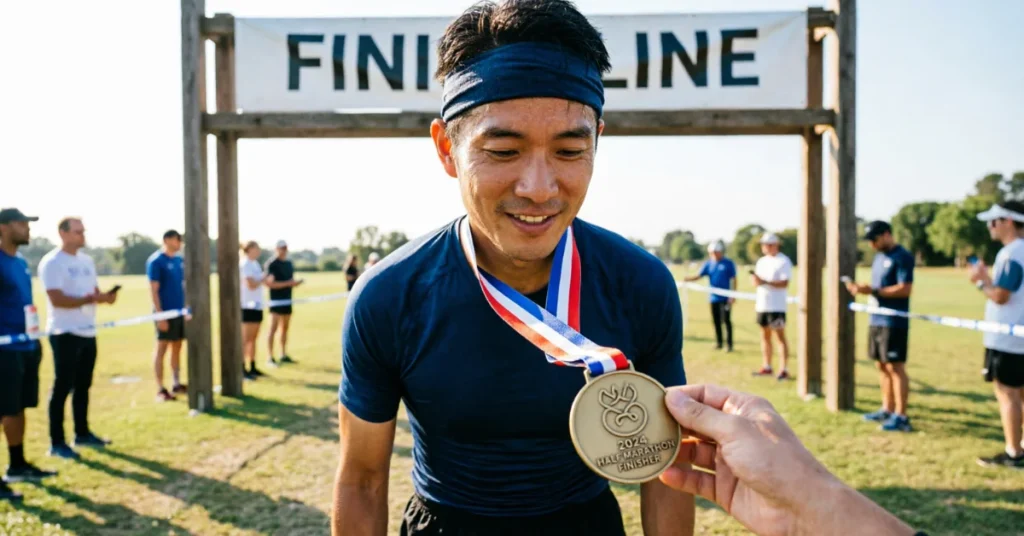
A hidden gem half marathon won’t hand you a medal with a famous skyline on it, but it’ll often give you something better: a course you’ll actually remember, a finish line where someone knows your name, and a community that shows up because they want to, not because a brand told them to. In 2026, with major races more crowded and expensive than ever, that trade feels less like a compromise and more like the smarter way to race.
FAQs
What counts as a “hidden gem” half marathon?
Generally, a race with a smaller field, strong local reputation, and a course that highlights something distinctive about its region, rather than a mass-market event built around a big-city name.
Are hidden gem half marathons cheaper than major races?
Often yes. Entry fees for smaller regional races typically run lower than major marathon-weekend half marathons, though prices vary by location and amenities. Salina Crossroads, for example, starts as low as $5.
Do these races sell out fast?
Some do, and quickly. The Flossmoor Hidden Gem Half Marathon sold out its 2026 field in under nine hours, so it’s worth registering as soon as sign-ups open.
Is a smaller race a good choice for a first half marathon?
Many runners find smaller fields less intimidating for a first attempt, with more direct access to aid stations and a calmer start-line atmosphere.
Can I still qualify for Boston at a small race?
Only if the course is properly certified. Always check a race’s certification status before using it as a Boston qualifying attempt.