
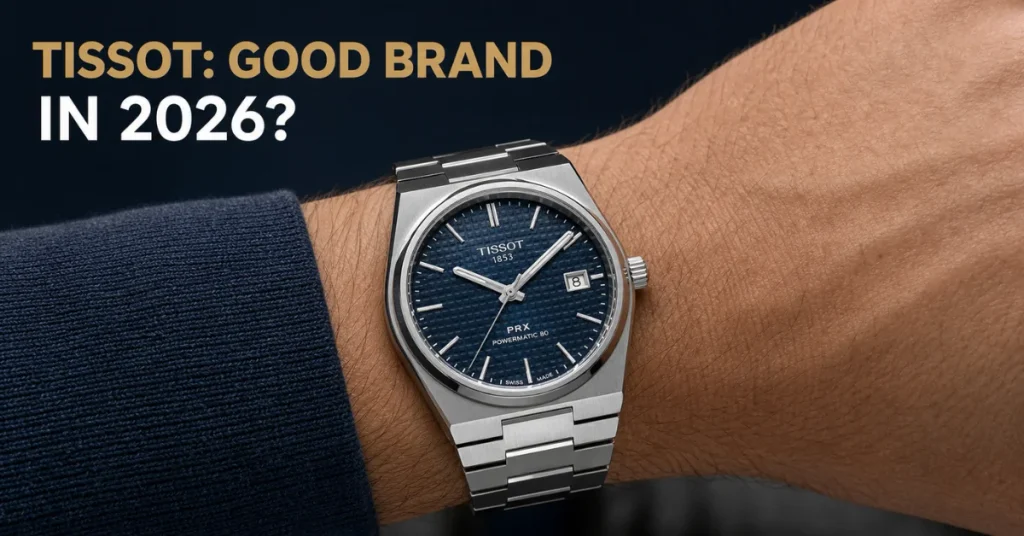
Is Tissot a good brand? Short answer: yes, for the vast majority of buyers looking for a genuine Swiss-made watch without a luxury price tag. Tissot has built its 2026 reputation on real mechanical engineering, not just a logo, and that distinction matters once you start comparing it against fashion brands sitting in the same price range.
Is Tissot a Good Brand? The Short Answer
Founded in 1853 in Le Locle, Switzerland, Tissot is one of the oldest continuously operating watch manufacturers in the world. It has spent more than 170 years building movements, not just assembling parts shipped in from elsewhere.
Today, Tissot sits inside the Swatch Group, the same corporate family that owns Omega, Longines, and Breguet. That matters. It means Tissot gets access to ETA and Powermatic movements, in-house research, and manufacturing standards that many independent brands simply can’t match at a similar price.
So when someone asks, is Tissot a good brand, the honest answer depends on what you’re comparing it to. Against Rolex or Omega, it’s a step down in prestige and finishing. Against fashion-house watches wearing a Swiss name for marketing purposes, Tissot wins easily.
Tissot’s Swiss Heritage and Why It Actually Matters
A lot of brands slap “Swiss Made” on a dial without much behind it. Tissot isn’t one of them. The label requires that at least 60% of the manufacturing costs originate in Switzerland, and Tissot’s movements come from ETA, a Swatch Group subsidiary with decades of precision manufacturing behind it.
Anyone who has worked in the watch retail industry knows the difference between a brand that owns its supply chain and one that doesn’t. Tissot controls its movement sourcing internally. That’s a meaningful advantage when a $500 watch needs to survive a decade of daily wear.
The brand also has a documented history of genuine innovation. It produced the first anti-magnetic watch in 1930, the first plastic watch (the Astrolon) in 1971, and pioneered touchscreen tactile technology decades before smartwatches existed. This isn’t marketing fluff, it’s a track record that predates most of Tissot’s current competitors.
Is Tissot a Good Brand for Automatic Watches?
This is where the reputation really gets tested, and it’s arguably the strongest part of the current lineup. The Tissot PRX Powermatic 80 has become the watch enthusiast community’s go-to recommendation for a first “real” Swiss automatic, and it earned that spot honestly.
The Powermatic 80 movement offers an 80-hour power reserve, which is unusual at this price point. Most automatic watches under $1,000 top out around 38 to 42 hours. That extra reserve means the watch can sit unworn over a weekend and still be ticking when you pick it back up.
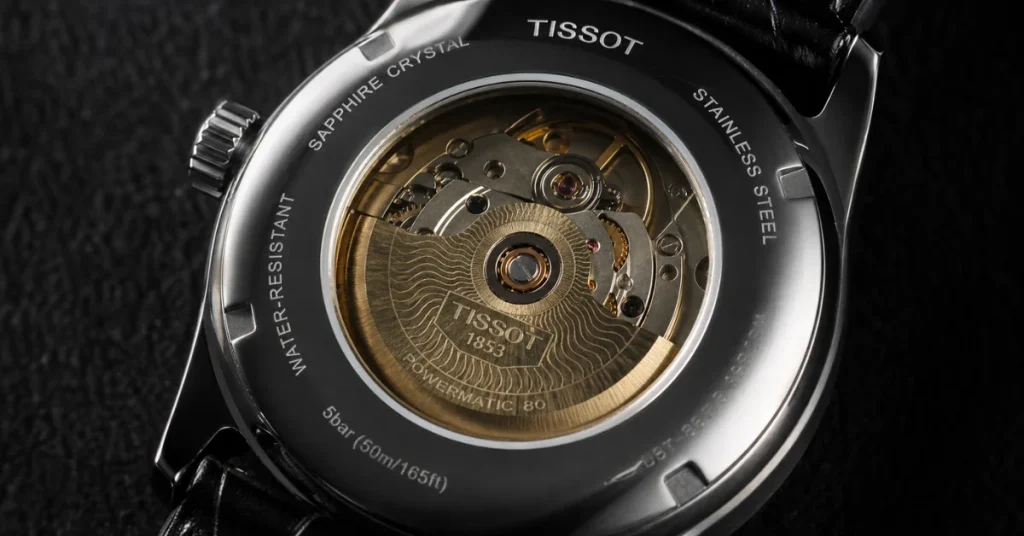
Owners consistently point to a few things:
- An integrated bracelet design that mimics watches costing five to ten times more
- A textured dial finish that photographs and wears better than the price suggests
- A sapphire caseback showing off the visible movement
- A starting price around $650 to $800 depending on dial and case size
Tissot isn’t flawless here. The bracelet clasp lacks fine micro-adjustment, and the movement itself isn’t decorated to the standard collectors expect from higher-tier Swiss brands. Those are fair criticisms. They just don’t outweigh the value on offer.
Tissot vs Seiko, Citizen, and Hamilton: How It Actually Compares
Buyers usually cross-shop Tissot against a handful of familiar names, and each comparison tells a slightly different story.
| Brand | Swiss Made | Typical Movement | Starting Price | Known For |
|---|---|---|---|---|
| Tissot | Yes | ETA / Powermatic 80 | $300–$800 | Integrated bracelet design, value automatics |
| Seiko | No | In-house (4R, 6R series) | $200–$700 | In-house movement engineering |
| Citizen | No | Eco-Drive (solar) | $150–$600 | Solar/light-powered accuracy |
| Hamilton | Yes | ETA-based, Swatch Group | $500–$1,200 | Military-inspired design heritage |
Seiko builds excellent in-house movements at a lower price, but it can’t claim the “Swiss Made” designation, which still carries weight for a lot of buyers and resale markets.
Citizen leans heavily into solar and Eco-Drive technology rather than traditional mechanical craftsmanship, so the comparison is really about priorities, not quality.
Hamilton, also under the Swatch Group umbrella, sits closer to Tissot in spirit but usually carries a slightly higher price for similar movement technology and a more American-military-inspired design language.
Anyone who has actually handled all four side by side tends to land on the same conclusion. Tissot occupies a sweet spot between accessible pricing and genuine Swiss pedigree that few competitors match at the exact same price tier.
What the Research Shows About Tissot’s Reputation
Industry analysts and long-time watch retailers consistently describe Tissot as one of the strongest entry points into Swiss horology available today. Reviewers who have tested the PRX line repeatedly note that the fit, finish, and movement reliability punch well above the retail price, and that reputation has only strengthened since the PRX relaunch reignited interest in the brand.
Detailed analysis of current owner sentiment across enthusiast forums and retailer reviews shows a consistent pattern: complaints center on minor details like clasp adjustment or dial glare, not core reliability or timekeeping accuracy. That’s a meaningful signal. When a brand’s biggest criticisms are cosmetic rather than mechanical, it usually means the fundamentals are solid.
Tissot’s CEO has also been vocal about repositioning the brand for a new generation of buyers, moving away from generic mall-store positioning toward a more enthusiast-focused identity. That shift shows up clearly in recent releases and in how the brand is discussed across watch media in 2026.
Common Concerns and Honest Drawbacks
No brand is perfect, and pretending otherwise would undercut the point of asking is Tissot a good brand in the first place.
Resale value is a fair concern. Tissot watches, like most watches outside a handful of blue-chip brands, depreciate after purchase. Buyers looking at a watch as an investment vehicle should look elsewhere; buyers who just want a well-made piece to wear will be fine.
Some models in the lower end of the catalog use simpler quartz movements and thinner cases that feel closer to mainstream department-store watches than to serious horology. The brand spans a wide range, so shopping smart within the lineup matters more than assuming every Tissot model delivers the same experience.
Availability and after-sales service can also vary by region. Buyers outside major markets sometimes report longer wait times for servicing compared to boutique-heavy brands.
What Does a Tissot Watch Actually Cost?
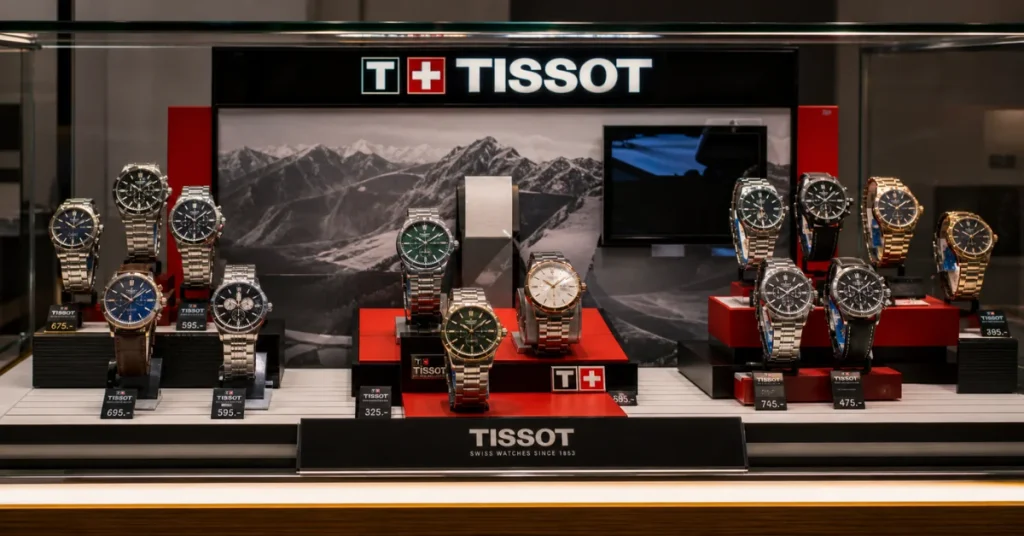
Pricing is where the brand’s positioning becomes obvious. Entry-level quartz models like the PRX quartz or basic Seastar pieces start around $300 to $400. Mid-range automatics, including the PRX Powermatic 80 and the Le Locle collection, sit between $650 and $1,200. Chronograph and dive-focused pieces, along with limited editions, can climb past $1,500.
That spread matters for buyers comparing options across a budget. A first-time Swiss watch buyer and a seasoned collector adding a weekend piece are shopping two very different parts of the same catalog, even though both are technically buying “a Tissot.”
Shoppers outside North America and Western Europe should also factor in local pricing differences. Import duties, currency conversion, and regional authorized-dealer markups mean the same model can cost noticeably more or less depending on where it’s purchased. Buying through an official Tissot boutique or an authorized retailer, rather than a grey-market seller, is the safer route for warranty coverage regardless of region.
| Tier | Example Collection | Movement | Starting Price |
|---|---|---|---|
| Entry | PRX Quartz, basic Seastar | Quartz | $300–$400 |
| Mid-range | PRX Powermatic 80, Le Locle | Automatic | $650–$1,200 |
| Upper tier | Chronographs, dive editions, limited runs | Automatic / COSC | $1,200–$1,500+ |
Warranty and Long-Term Ownership: What Tissot Actually Guarantees
This is the part most reviews skip, and it’s genuinely useful when deciding whether Tissot a good brand claim holds up beyond the showroom.
Every Tissot watch ships with a standard 2-year international warranty covering material and manufacturing defects. Models built with Lightmaster Solar Technology or carrying COSC chronometer certification step up to a 3-year international warranty, which signals the brand’s own confidence in those movements.
COSC certification itself isn’t a marketing badge. The Official Swiss Chronometer Testing Institute runs each movement through 15 days of testing for accuracy, anti-magnetism, and resistance to impact before it earns the designation. A COSC-certified Tissot has cleared the same independent bar used across much of the Swiss watch industry, including brands costing far more.
Long-term parts availability matters just as much as the warranty period. Tissot guarantees spare parts for a minimum of 10 years after a model stops production, extending to 20 years for gold watches. That’s a practical detail for anyone worried about servicing a watch a decade down the line, and it’s a stronger commitment than plenty of competitors publish.
Buyers should still service through an authorized Tissot center. Repairs done outside that network can void the warranty entirely, regardless of how minor the work seems.
Who Should Buy a Tissot Watch
Tissot makes the most sense for a specific type of buyer, and being honest about that helps set realistic expectations.
- First-time buyers stepping up from fashion or quartz watches into genuine Swiss mechanics
- Enthusiasts who want a daily-wear piece without worrying about scratching something irreplaceable
- Gift buyers looking for a recognizable, respected name without a luxury-level price
- Collectors who want a reliable, affordable entry into automatic watchmaking
It makes less sense for someone chasing pure investment value or the prestige tier occupied by Rolex, Patek Philippe, or Audemars Piguet. Those are different conversations entirely.
Conclusion: Is Tissot a Good Brand Worth Buying in 2026?
Is Tissot a good brand? Based on its manufacturing standards, movement quality, and consistent owner feedback, yes, it holds up. The brand backs its price point with real Swiss engineering, a genuine 170-year history, and current releases like the PRX Powermatic 80 that outperform their price bracket by a wide margin.
It won’t satisfy someone chasing prestige or resale value. For everyone else looking for a well-built, trustworthy Swiss watch in 2026, Tissot remains one of the smartest names on the shelf.
This article is for informational purposes only and does not constitute a personal buying recommendation. Individual needs and budgets vary.
FAQs
Is Tissot considered a luxury brand?
Not in the traditional sense. Tissot sits in the accessible-luxury or entry-level Swiss category, below brands like Omega or Rolex but above fashion watches wearing a Swiss label for marketing purposes.
Are Tissot watches worth the money?
For the movement quality, Swiss manufacturing, and design on offer, most reviewers and owners consider Tissot genuinely good value, particularly in the PRX and Seastar lines.
Does Tissot hold its value?
Generally, no, not the way a handful of blue-chip Swiss brands do. Expect standard depreciation after purchase, which is typical outside a small group of highly collectible references.
How long do Tissot watches last?
With reasonable care and periodic servicing, a Tissot automatic or quartz watch can easily last decades. Swiss movement components are built for long-term reliability, not disposable use, and spare-parts availability is guaranteed for years after a model is discontinued.
Is Tissot better than Seiko?
It depends on priorities. Tissot offers Swiss Made status and a slightly different design language, while Seiko often delivers stronger in-house movement technology at a comparable or lower price.