
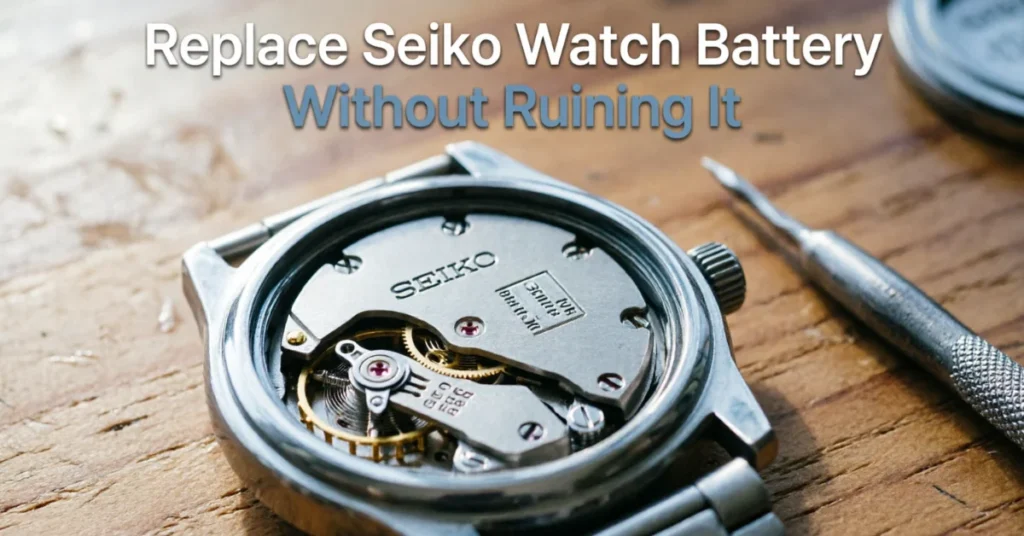
A dead watch battery isn’t a tragedy. It’s an afternoon project, if you know what you’re doing. Learning how to replace Seiko watch battery models correctly means understanding your watch’s case type first, because a diver and a dress watch open in completely different ways.
Most people assume a stopped second hand means a trip to the jeweler and a hefty bill. That’s not always true. Plenty of Seiko owners open the case themselves, swap a coin cell, and have the watch ticking again within twenty minutes. Others try it once, strip a screw, and wish they’d left it alone. The difference usually comes down to preparation and knowing exactly which part your specific movement needs.
The Real Question: Do You Need a New Battery or a New Watch?
Before touching a screwdriver, figure out what’s actually wrong. A watch that’s stopped dead, with no second-hand movement at all, is almost certainly a battery issue. A watch that runs but loses several minutes a day has a different problem, likely a movement issue that a battery swap won’t fix.
Solar Seikos behave differently again. They don’t die suddenly. Instead, the power reserve shrinks over months until the second hand starts jumping in two-second increments, a warning signal built into the movement itself.
Kinetic models are their own category entirely. These don’t take a standard battery. They use a rechargeable capacitor that stores energy from wrist motion, and replacing one requires a different part number and a bit more patience.
Quick Comparison: Seiko Battery Types by Movement
Not every Seiko takes the same part, and this table clears up the confusion fast:
| Movement Type | Part Used | Typical Case Back | DIY Difficulty | Rough Part Cost |
|---|---|---|---|---|
| Standard Quartz | Silver-oxide coin cell (e.g. SR626SW) | Screw-back or snap-back | Easy | $2–$10 |
| Solar | Rechargeable capacitor | Screw-back | Moderate | $15–$40 |
| Kinetic | Model-specific capacitor | Screw-back | Moderate to Hard | $18–$45 |
| Diver (200m+) | Silver-oxide coin cell | Screw-down (needs ball opener) | Hard | $2–$10 part, plus tool cost |
Once you know which row applies to your watch, the rest of the process gets a lot less confusing.
Finding Your Exact Battery Reference Number
This is the step most guides skip entirely, and it’s the one that saves the most frustration. The battery reference number isn’t printed on the case back. It’s stamped on the movement itself, usually near the battery clip or etched close to the balance wheel.
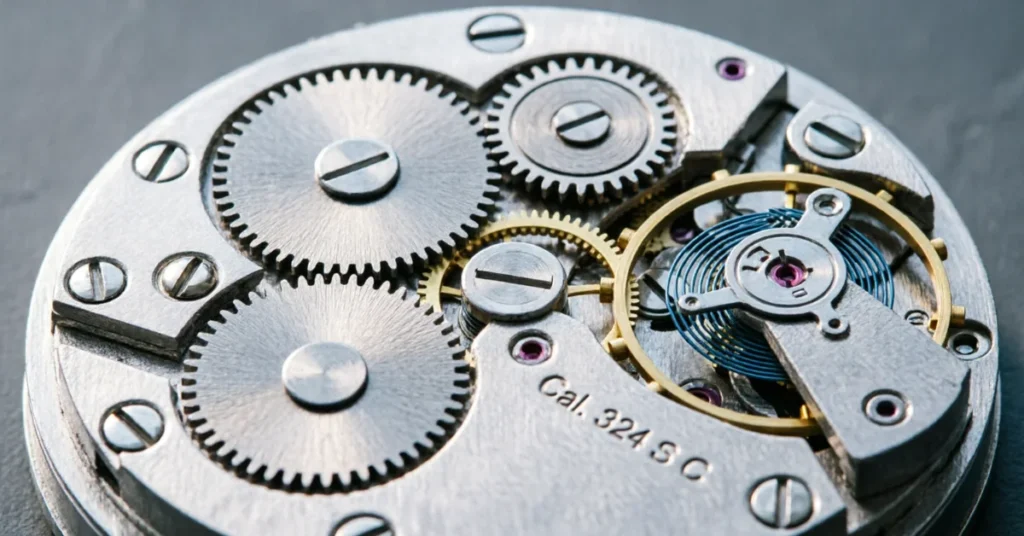
Seiko’s standard quartz calibers commonly use these silver-oxide cells:
- SR626SW (also labeled 377 or 376)
- SR920SW (also labeled 371 or 370)
- SR621SW (also labeled 364)
- SR44SW (also labeled 303 or 301)
- SR721SW (also labeled 362 or 361)
Buying by size alone, without checking this code, is how people end up with a battery that physically fits but drains the movement faster than it should. Matching the exact reference number is worth the extra thirty seconds it takes to check.
Tools You’ll Actually Need
Skip the kitchen butter knife. It scratches cases and slips at the worst moment. A proper kit costs less than a replacement battery from a jeweler and pays for itself the first time you use it.
You’ll want:
- A case back opener (screw-type or snap-off, depending on your model)
- A set of small precision screwdrivers
- Plastic or non-magnetic tweezers
- A soft cloth or case cushion to hold the watch steady
- The correct replacement battery, matched by reference number
Never handle a fresh battery with bare fingers. Skin oils can shorten its life, and static from your hands can, in rare cases, affect the movement’s circuit. Tweezers aren’t optional here. Once you understand how to replace Seiko watch battery movements with the right tools on hand, the job stops feeling intimidating.
How to Replace Seiko Watch Battery at Home, Step by Step
Once the tools are on the table, the process itself is fairly mechanical.
- Flip the watch face-down on a soft cloth and identify the case back type. Most quartz Seikos use a screw-back or a snap-back; a small number use screws around the rim.
- Open the case. Screw-backs twist counter-clockwise with the opener’s teeth seated in the grooves. Snap-backs need a thin blade worked gently into the seam, never twisted, just pried.
- Locate the battery, held in place by a small metal bracket or clip. Note which side faces up before removing anything, a quick phone photo helps here.
- Confirm the reference number stamped on the movement matches the new battery in hand.
- Lift the old battery out with tweezers and set the new one in with the positive side matching the original orientation.
- Reset the bracket, close the case back, and press it firmly until it seats flush.
- Wind the crown out if applicable, and confirm the second hand is moving before sealing everything shut.
That’s the short version. Anyone who’s done this a few times will tell you the real skill isn’t the swap itself, it’s handling tiny screws without losing them across the workbench.
Solar and Kinetic Seikos Work Differently
A regular quartz Seiko uses a standard coin-cell battery, widely available and cheap. Solar models use a rechargeable capacitor rather than a disposable battery, and it needs a full charge under bright light or direct sun before you’ll know if the replacement actually worked.
Kinetic movements complicate things further. The capacitor has to match the exact reference number stamped on the old part, since a mismatched connector simply won’t seat. This is one area where guessing costs money twice, once for the wrong part and again for the correct one.
Divers and Screw-Down Case Backs Need Different Tools
Seiko’s 200m and higher-rated diver watches almost always use a screw-down case back with a knurled edge, not a snap-back. That means the standard pry-blade in most beginner kits won’t work, and forcing it can gouge the case or damage the gasket seal.
These backs need a ball-point or pin-type case wrench that seats into small dimples cut into the metal. If your Seiko is a diver model and the case back won’t budge with a basic tool, that’s usually the reason. Buying the correct wrench upfront costs less than replacing a scratched case back later.
The Counterfeit Capacitor Problem
A pattern shows up repeatedly among owners who’ve replaced solar or Kinetic capacitors themselves: generic parts sold as “Seiko-compatible” sometimes have a connector shape that doesn’t quite match the original, even when the voltage and size look right on paper.
The result is a capacitor that sits in place but never makes proper contact, leaving the watch just as dead as before. Sticking to sellers who list the exact original reference number, rather than a generic “fits most Seiko” description, avoids this entirely.
What the Research Shows About DIY vs Professional Repair
Watching how owners actually handle this repair reveals a clear pattern. People who do their homework on the exact movement number before buying a part report a smooth fifteen-to-twenty-minute job. Those who guess at compatibility end up reordering, sometimes twice, before the watch runs correctly.
Professional shops typically charge more for labor than the part itself costs, and that gap is exactly why so many owners attempt this at home first. Detailed analysis of watch forums and repair listings shows most straightforward battery swaps land in a modest price range when done by a jeweler, while the DIY version costs closer to what the part alone runs.
That gap narrows sharply, though, the moment water resistance or a stripped screw enters the picture. A ruined gasket can cost more to fix than the original repair would have.
When You Should Skip the DIY Route
Not every Seiko is a good candidate for a home repair. Divers rated 200m or higher usually need a case press to reseal properly, and that’s specialized equipment most people won’t own. Vintage pieces with brittle gaskets are also risky, since the seal can crack the moment you crack the case open.
If your watch has genuine collector value, or the case back has been stuck for years and won’t budge without excessive force, a jeweler with the right press and gasket stock is the safer call. The cost difference is small compared to what a cracked crystal or flooded movement would run.
How to Replace Seiko Watch Battery Without Killing Water Resistance
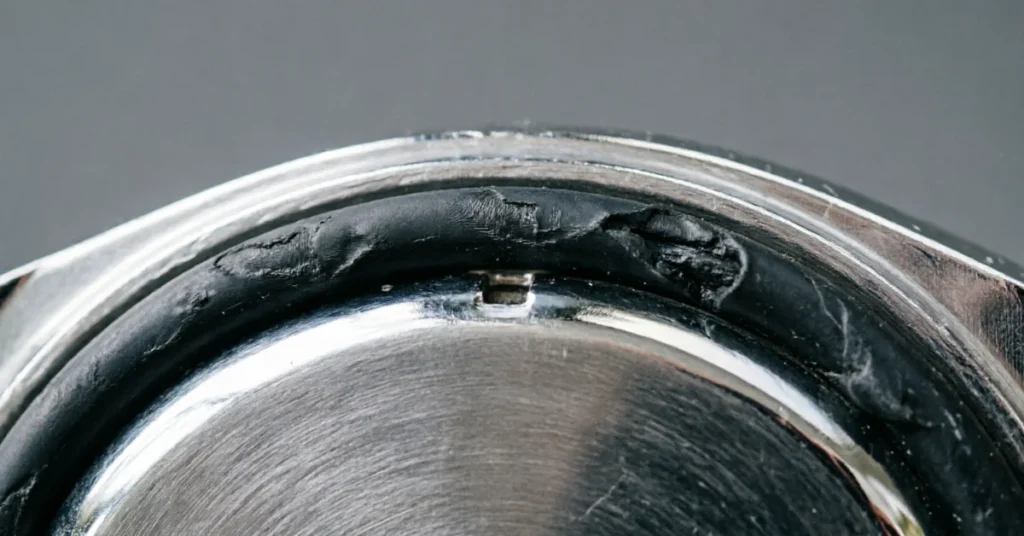
Water resistance isn’t a permanent feature, it’s a seal that degrades every time the case is opened. Even a perfectly executed battery swap can weaken it slightly, because the gasket compresses a bit more each time it’s disturbed.
A few habits protect that seal:
- Always inspect the old gasket before closing the case; if it looks flattened, cracked, or dry, replace it rather than reusing it.
- Apply a thin layer of silicone grease to a new gasket before seating it, this keeps it pliable and helps it seal evenly.
- Avoid swimming or showering with a freshly opened watch for at least a day, giving the seal time to settle.
Anyone treating a 100m-rated diver like it’s still fully sealed after a DIY repair is taking an unnecessary gamble. If swimming or diving matters to you, get the water resistance pressure-tested afterward rather than assuming.
Aftercare and Common Mistakes
The most common mistake isn’t mechanical, it’s rushing the reassembly. Forcing a case back that won’t seat usually means a gasket is pinched or misaligned, not that more pressure is needed.
The second common error is skipping the charge step on solar models. A freshly replaced capacitor with zero charge can look dead even though the part itself works fine. Give it several hours under a bright lamp or in direct sunlight before assuming something’s wrong.
Watch out for magnetized screwdrivers near the movement, too. A magnetized tip can throw off the accuracy of a quartz movement, causing the watch to run fast even after a perfect battery install.
Disposing of the Old Battery Responsibly
The old coin cell shouldn’t go straight into household trash. Silver-oxide and lithium button cells contain materials that shouldn’t sit in a landfill, and several regions restrict throwing them out with regular garbage.
Most jewelers, battery retailers, and local recycling centers accept small button batteries free of charge. It takes an extra five minutes and keeps the small but genuine environmental cost of this repair in check.
Conclusion
Learning how to replace Seiko watch battery movements at home saves money and, honestly, it’s satisfying to bring an old watch back to life yourself. The steps aren’t complicated once you know your case type, your exact reference number, and have the right tools laid out. Where people run into trouble is skipping preparation, guessing at part numbers, buying mismatched generic capacitors, or ignoring the gasket that keeps water out. Get those things right and the repair is straightforward. Get them wrong, and a five-dollar battery turns into a much bigger bill.
FAQs
How long does a Seiko watch battery usually last?
Standard quartz batteries in Seiko watches typically run two to three years, though this varies with movement type and how many functions (chronograph, alarm) draw extra power.
How do I find the right battery reference number for my Seiko?
Check the movement itself, not the case back. The number is usually stamped near the battery clip, and common Seiko codes include SR626SW, SR920SW, and SR621SW.
Can I replace a Seiko battery without special tools?
Not reliably. A proper case opener and tweezers prevent scratched cases and dropped screws, and they cost less than most people expect.
Does replacing the battery affect water resistance?
It can. Opening the case disturbs the gasket seal, so inspecting or replacing that gasket during the repair matters more than people realize.
Why won’t my solar Seiko run right after a new capacitor?
It likely needs a full charge. Leave it under strong light or direct sun for several hours before testing again.