
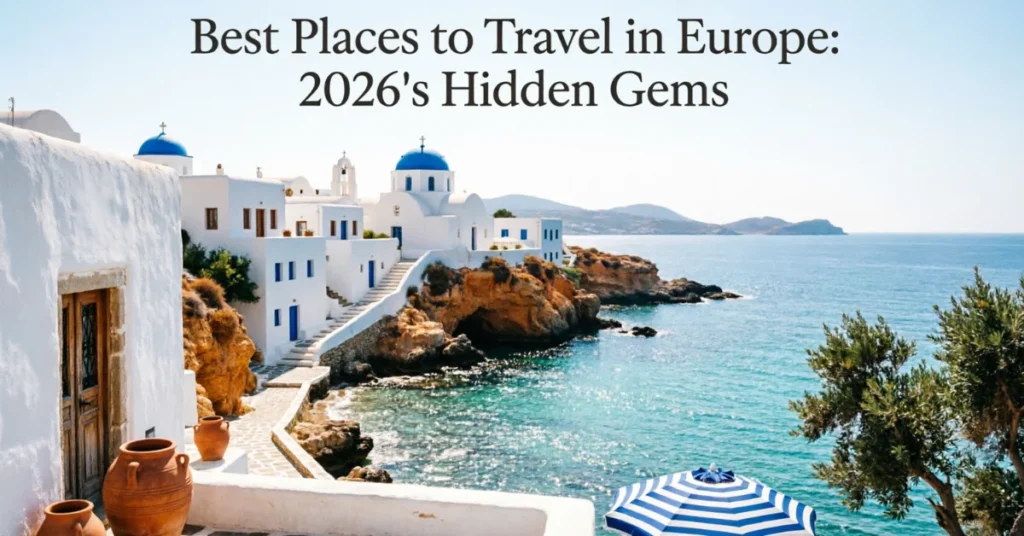
Standing on a quiet balcony in a hill town somewhere between Tuscany and the Adriatic, you start to understand why so many people spend months narrowing down the best places to travel in Europe and still can’t settle on just one. The continent doesn’t really let you choose a favorite. It gives you dozens of reasons to come back.
This year, that decision has gotten a little more interesting. Some of the usual headline cities are sharing the spotlight with smaller destinations that used to fly under the radar. Booking patterns for 2026 show travelers leaning toward value, safety, and places that don’t feel overrun the moment you step off the train.
What Makes the Best Places to Travel in Europe in 2026
A destination earns its spot on this kind of list for a few reasons. Good food helps. So does history you can actually touch, not just read about behind glass.
But 2026 has added new variables. Major events like the Winter Olympics in Milan and Cortina, the Tour de France’s Barcelona start, and Wimbledon’s usual summer buzz are shaping where crowds gather and when. At the same time, official European tourism data shows international arrivals climbing more than 5% year-to-date, with visitors increasingly choosing destinations that feel both affordable and secure.
That combination, culture plus practicality, is really what separates the best places to travel in Europe from destinations that just look good in photos. A place needs to deliver the moment and make sense for your wallet and your nerves.
Mediterranean Favorites Driving This Year’s Numbers
The moment you taste a plate of fresh seafood on a Greek island terrace, you get why Mediterranean Europe keeps topping traveler wish lists. Greece has posted some of the sharpest arrival increases of any country in Europe this year, and it’s not hard to see why.
Paros is worth a special mention here. Anyone who has skipped past Santorini’s crowds for Paros’s quieter beaches and whitewashed lanes knows the trade feels like winning twice. You get the same postcard scenery with room to actually enjoy it.
Italy is riding its own wave, partly thanks to Olympic momentum in the north and partly because the Amalfi Coast and its cliffside towns never really go out of style. Malta rounds out the trio of standout Mediterranean gainers this year, offering walkable old towns and turquoise coves at a fraction of the cost of pricier neighbors.
A quick comparison helps here: choosing between Santorini and Paros is a bit like choosing between a packed concert and a backyard show by the same band. Same magic, different volume.
Underrated Corners Locals Actually Recommend
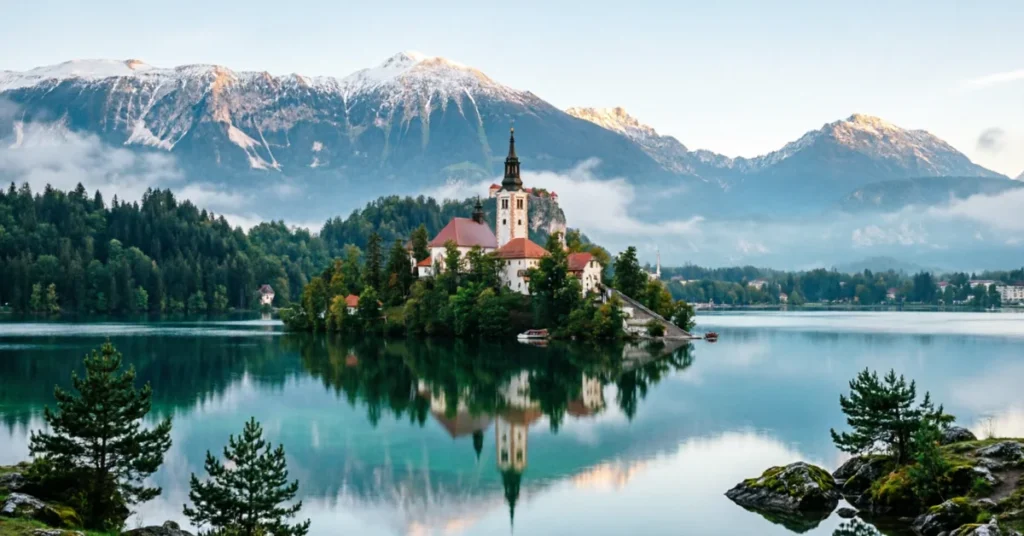
Locals here will tell you the real finds aren’t always the ones plastered across travel ads. Slovenia keeps getting mentioned as one of Europe’s most underrated countries, and once you’ve stood beside Lake Bled with the mountains reflecting off the water, you understand the frustration long-time visitors feel about it staying “undiscovered.”
Montenegro deserves a look too. Kotor’s fortress walls and the fjord-like bay nearby give you scenery that rivals Croatia’s coast, minus the price tag and the peak-season chaos. Travelers who’ve made the short hop from Dubrovnik often say it’s the best two-day detour they didn’t plan for.
Then there’s Finland’s Oulu, holding the European Capital of Culture title in 2026. Practitioners of slow travel describe it as a place built for sauna culture, Northern Lights chasing, and a genuinely different pace than anything found further south.
A few more names worth your shortlist:
- Guimarães, Portugal — a medieval center with real culinary depth
- Scotland’s Hebrides — remote islands for wildlife and quiet
- Warsaw, Poland — a fast-rising food scene paired with striking new architecture
- Asturias, Spain — dramatic coastline still mostly missed by tourists
City Breaks Still Worth the Hype
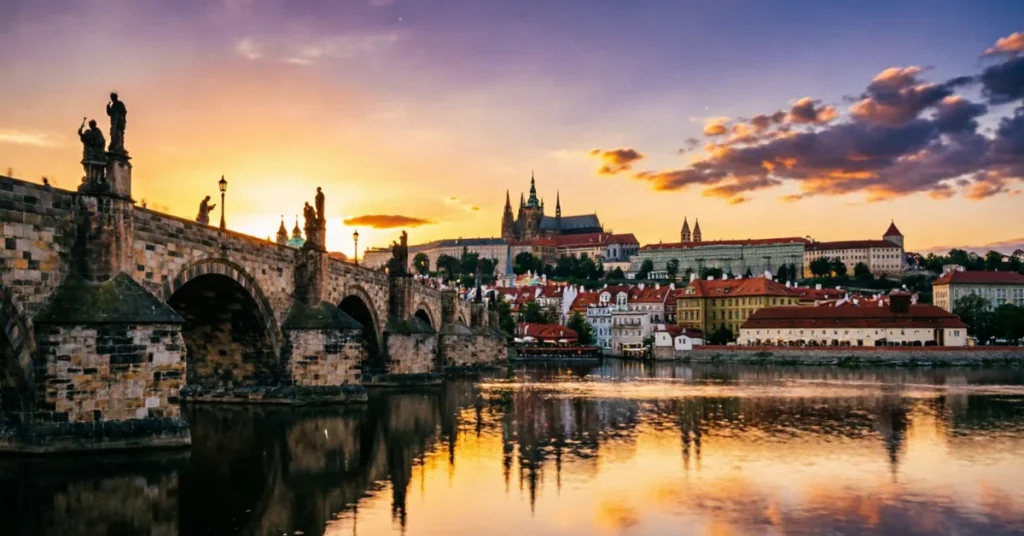
Not every trip needs to chase the road less traveled. Prague still delivers one of Europe’s most reliable city breaks, Gothic spires, an affordable food and drink scene, and a walkability that makes even a short weekend feel complete.
Milan is having a moment beyond its Olympic hosting duties too. Between the fashion houses, the opera at La Scala, and da Vinci’s Last Supper tucked inside a quiet church, it’s a city that rewards slow wandering as much as a packed itinerary.
Zurich and the wider Swiss circuit round things out nicely for travelers who want alpine views without sacrificing polish. Between film festivals, art fairs, and fondue that actually lives up to the postcards, Switzerland manages to feel both indulgent and efficient at once.
What the Research Shows
Detailed analysis of 2026 travel patterns reveals something travelers have started to feel firsthand: Europe isn’t just recovering, it’s recalibrating. Recent industry data points to nearly 80% of European destinations posting growth this year, with roughly one in five seeing double-digit increases in visitor numbers.
Northern Europe has actually outpaced the Mediterranean in percentage terms, with arrivals up around 10% as travelers hunt for cooler, less crowded alternatives. Meanwhile, leisure travel spending across Europe’s key markets is holding at roughly 13% of household budgets, well above the global average, proof that even amid economic pressure, people aren’t giving up their trips. They’re just getting pickier about where those trips go.
That pickiness is exactly why researching the best places to travel in Europe before you book matters more in 2026 than it did five years ago.
Entry Rules Changing in 2026 You Need to Know About
Here’s something most destination lists skip entirely, and it genuinely affects your trip. Europe’s borders are going digital this year, and travelers from visa-exempt countries need to plan around it.
The Entry/Exit System (EES) is already live across Schengen borders as of April 10, 2026. Instead of a passport stamp, border agents now scan your fingerprints and face at automated gates. First-time enrollment takes a few extra minutes; after that, it’s quick.
The bigger change is still coming. ETIAS, the EU’s new pre-travel authorization, is scheduled to launch in the fourth quarter of 2026. Once it’s live, travelers from the US, UK, Canada, Australia, and dozens of other visa-exempt countries will need to apply online before their trip, pay a small non-refundable fee, and get approval that stays valid for three years. Most approvals come back within minutes, and travelers under 18 or over 70 are exempt from the fee itself, though they’ll still need the authorization.
A grace period will follow the launch, so you likely won’t be turned away at the border without it right away. Still, applying ahead of time avoids any confusion at check-in, since airlines will eventually be required to verify ETIAS status before boarding.
One more thing worth checking now: your passport needs to stay valid for at least three months past your planned departure from Europe. Renewal backlogs have been running long this year, so this is worth handling early, especially if you’re planning a trip built around any of the best places to travel in Europe covered above.
Note that this requirement applies to the Schengen Area specifically. The UK, Ireland, and Cyprus run their own separate entry systems and aren’t affected by ETIAS.
How to Pick Based on Your Trip Style
Not every traveler wants the same thing, and that’s fine. Here’s a quick breakdown to help you match your trip style to the right pick:
| Traveler Type | Best Fit | Why It Works |
|---|---|---|
| First-timers | Prague, Rome, Milan | Dense landmarks, easy transit, low logistics stress |
| Repeat visitors | Slovenia, Montenegro, Oulu | Fresh scenery, thinner crowds |
| Beach-first travelers | Paros, Malta | Same coastline appeal, noticeably better value |
| Winter sports fans | Italy, Austria, France | Strong snow conditions and Olympic-year buzz |
| Budget-conscious travelers | Poland, Portugal, inland Spain | Lower costs than Western Europe’s priciest capitals |
| Families with kids | Switzerland, Denmark | Clean infrastructure, easy rail connections, low-hassle logistics |
Anyone who has planned a multi-country European trip knows the real skill isn’t picking one destination. It’s sequencing them so the pace doesn’t wear you out by day four.
Practical Tips Before You Book
A few things worth knowing before you lock in flights. Rail travel remains one of Europe’s biggest advantages, letting you string together two or three countries without touching an airport more than once.
Prices are climbing in the most popular spots, so shoulder-season travel, late spring or early fall, tends to stretch your budget further while still delivering good weather. Venice, for instance, now charges day-trippers a small entry fee on peak dates specifically to manage overcrowding, a small but telling sign of how popular destinations are adapting.
And don’t discount travel insurance. With ongoing disruptions affecting some long-haul flight corridors this year, a flexible booking policy can save a trip from turning into a headache.
Conclusion
There’s no single correct answer to where you should go this year, and that’s really the point. The best places to travel in Europe in 2026 span quiet Slovenian lakes, packed Mediterranean coastlines, and cities still writing their next chapter, like Oulu or Warsaw. Pick based on what you actually want from the trip, not just what’s trending, check the new entry rules ahead of time, and you’ll come home with the kind of story that doesn’t need filtering.
FAQ
What are the best places to travel in Europe right now?
Greece, Italy, and Malta are seeing the strongest visitor growth in 2026, while Slovenia, Montenegro, and Finland’s Oulu are gaining ground as underrated alternatives.
When is the cheapest time to visit Europe?
Shoulder seasons, generally April to May and September to October, tend to offer lower prices and thinner crowds than peak summer months.
Do I need ETIAS to travel to Europe in 2026?
Not yet. ETIAS is scheduled to launch in the fourth quarter of 2026 for visa-exempt travelers, with a grace period afterward. It’s best to check the official EU travel page close to your trip dates.
Is Europe safe to visit in 2026?
Yes. Despite geopolitical tensions affecting some long-haul flight routes, Europe’s tourism sector has kept growing, with travelers citing safety as one of the region’s main draws this year.
What’s the most underrated European destination for 2026?
Slovenia and Montenegro both keep coming up as places long-time travelers wish more people knew about, offering dramatic scenery without the price or crowds of neighboring hotspots.